

PTFE (Polytetrafluoroethylene) wiper seals are widely used in various industries due to their excellent chemical resistance, low friction coefficient, and high temperature tolerance. As a PTFE wiper seals supplier, I understand the importance of extending the service life of these seals. In this blog, I will share some practical tips and strategies to help you achieve this goal.
Understanding PTFE Wiper Seals
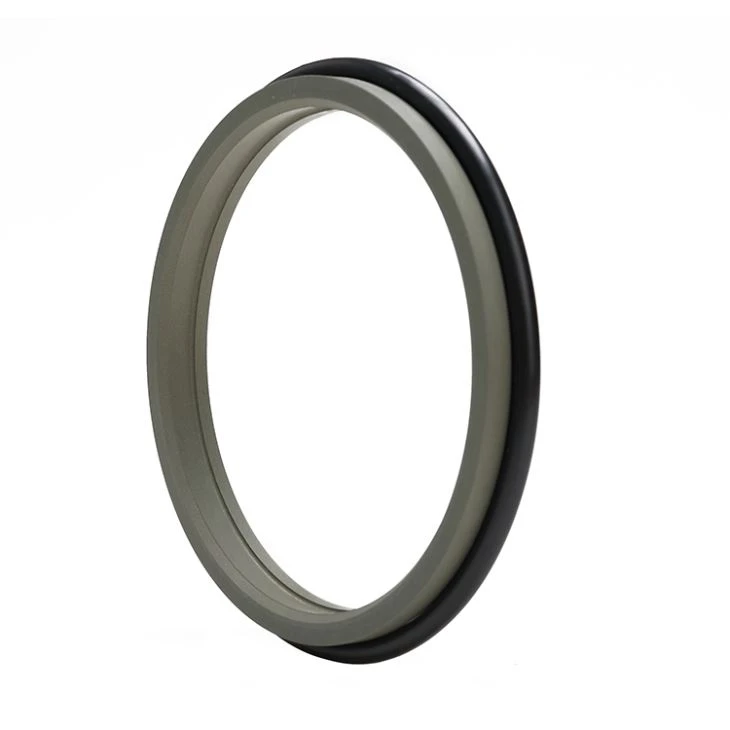
Before delving into the methods of extending the service life of PTFE wiper seals, it is essential to understand their structure and working principles. PTFE wiper seals are designed to prevent contaminants such as dust, dirt, and moisture from entering the hydraulic or pneumatic system. They are typically installed on the rod of a cylinder, where they wipe the rod surface clean as it moves in and out of the cylinder.
PTFE is a synthetic fluoropolymer with unique properties that make it an ideal material for wiper seals. It has a very low friction coefficient, which reduces wear and tear on the seal and the rod. It is also highly resistant to chemicals, solvents, and high temperatures, making it suitable for use in harsh environments.
Factors Affecting the Service Life of PTFE Wiper Seals
Several factors can affect the service life of PTFE wiper seals. Understanding these factors is crucial for implementing effective strategies to extend their lifespan.
Contaminants
Contaminants such as dust, dirt, and metal particles can cause abrasion and damage to the PTFE wiper seal. When these contaminants enter the system, they can get trapped between the seal and the rod, causing the seal to wear out prematurely.

Temperature
Extreme temperatures can also affect the performance of PTFE wiper seals. High temperatures can cause the PTFE material to soften and lose its sealing properties, while low temperatures can make the material brittle and prone to cracking.
Pressure
Excessive pressure can cause the PTFE wiper seal to deform or extrude, leading to leakage and reduced service life. It is important to ensure that the seal is designed to withstand the operating pressure of the system.
Installation
Improper installation can also have a significant impact on the service life of PTFE wiper seals. If the seal is not installed correctly, it may not fit properly on the rod, causing uneven wear and leakage.
Strategies to Extend the Service Life of PTFE Wiper Seals
Now that we have identified the factors that can affect the service life of PTFE wiper seals, let's discuss some strategies to extend their lifespan.
Proper Installation
Proper installation is the first step in ensuring the long-term performance of PTFE wiper seals. Before installing the seal, make sure that the rod surface is clean and free of any contaminants. Use a suitable lubricant to ease the installation process and reduce friction. Follow the manufacturer's installation instructions carefully to ensure that the seal is installed correctly.
Regular Maintenance
Regular maintenance is essential for extending the service life of PTFE wiper seals. Inspect the seals regularly for signs of wear, damage, or leakage. Replace any damaged or worn seals immediately to prevent further damage to the system. Clean the rod surface regularly to remove any contaminants that may have accumulated.
Contamination Control
Contamination control is crucial for protecting PTFE wiper seals from damage. Install a suitable filtration system to remove contaminants from the fluid before it enters the system. Use protective covers or boots to prevent dust and dirt from entering the system. Keep the working environment clean and free of debris.
Temperature and Pressure Management
Managing the temperature and pressure of the system is important for ensuring the optimal performance of PTFE wiper seals. Use a suitable cooling or heating system to maintain the operating temperature within the recommended range. Monitor the pressure of the system regularly and ensure that it does not exceed the maximum allowable pressure for the seal.
Selecting the Right Seal
Selecting the right PTFE wiper seal for your application is crucial for extending its service life. Consider the operating conditions of the system, such as temperature, pressure, and fluid compatibility, when selecting a seal. Choose a seal that is designed to withstand the specific requirements of your application. You can find a variety of PTFE wiper seals on our website PTFE Wiper Seals.
Additional Tips for Extending the Service Life of PTFE Wiper Seals
In addition to the strategies mentioned above, here are some additional tips to help you extend the service life of PTFE wiper seals.
Use Compatible Fluids
Make sure that the fluid used in the system is compatible with the PTFE material of the seal. Incompatible fluids can cause the seal to swell, shrink, or degrade, leading to reduced service life.
Avoid Overloading
Avoid overloading the system, as this can put excessive stress on the PTFE wiper seal. Make sure that the system is designed to handle the load requirements and that the seal is properly sized for the application.
Train Your Staff
Train your staff on the proper installation, maintenance, and operation of PTFE wiper seals. This will help ensure that the seals are used correctly and that any issues are detected and addressed promptly.
Conclusion
Extending the service life of PTFE wiper seals is essential for reducing maintenance costs, improving system reliability, and increasing productivity. By understanding the factors that affect the service life of these seals and implementing effective strategies to address them, you can ensure that your PTFE wiper seals perform optimally for an extended period.
If you are looking for high-quality PTFE wiper seals or need further advice on extending their service life, please do not hesitate to contact us. We are a leading supplier of PTFE wiper seals and can provide you with the products and support you need. You can also explore our other products, such as Low Friction Wiper Seal With O-rings and Nitrile Rubber Wiper Seals.
References
- "Sealing Technology Handbook" by Heinz Baumeister
- "PTFE: Properties, Processing, and Applications" by John Scheirs
- Manufacturer's technical documentation for PTFE wiper seals