

Self-lubricating piston rod seals play a pivotal role in various industrial applications, offering unique characteristics that enhance the performance and longevity of hydraulic and pneumatic systems. As a leading supplier of piston rod seals, I am excited to delve into the key features of self-lubricating piston rod seals and how they can benefit your operations.
Low Friction and Wear Resistance
One of the most significant characteristics of self-lubricating piston rod seals is their low friction coefficient. This property reduces the amount of energy required to move the piston rod within the cylinder, resulting in smoother operation and lower power consumption. The reduced friction also minimizes wear on both the seal and the piston rod, extending the service life of the components and reducing maintenance costs.
For instance, in hydraulic systems, where high pressures and rapid movements are common, self-lubricating seals can prevent premature wear and tear. The low friction allows the piston rod to move freely, even under heavy loads, without generating excessive heat. This not only improves the efficiency of the system but also reduces the risk of overheating and subsequent damage to other components.
Excellent Sealing Performance
Self-lubricating piston rod seals are designed to provide a reliable seal between the piston rod and the cylinder wall, preventing fluid leakage. The self-lubricating properties of these seals ensure that the sealing lip maintains constant contact with the rod surface, even under dynamic conditions. This consistent contact helps to create a tight seal that can withstand high pressures and prevent the escape of hydraulic or pneumatic fluids.
In addition, self-lubricating seals are often made from materials that are resistant to swelling and degradation when exposed to various fluids. This resistance ensures that the seal maintains its integrity over time, even in harsh operating environments. For example, in applications where the system uses aggressive hydraulic fluids or operates at high temperatures, self-lubricating seals can provide long-lasting sealing performance.
Resistance to Contaminants
Another important characteristic of self-lubricating piston rod seals is their resistance to contaminants. In industrial environments, the presence of dust, dirt, and other particles can cause significant damage to piston rod seals. Self-lubricating seals are designed to repel these contaminants, preventing them from entering the system and causing wear or damage to the seal and other components.
The self-lubricating properties of these seals also help to reduce the adhesion of contaminants to the seal surface. This makes it easier for the seal to shed any particles that come into contact with it, further enhancing its resistance to contamination. As a result, self-lubricating piston rod seals can help to improve the reliability and durability of hydraulic and pneumatic systems, especially in dirty or dusty environments.
Wide Temperature Range Compatibility
Self-lubricating piston rod seals are capable of operating effectively over a wide temperature range. This versatility makes them suitable for a variety of applications, from low-temperature environments to high-temperature industrial processes. The materials used in self-lubricating seals are carefully selected to maintain their mechanical properties and sealing performance across different temperature conditions.
For example, in cold environments, self-lubricating seals can remain flexible and maintain their sealing ability, preventing fluid leakage due to contraction. In high-temperature applications, these seals can withstand the heat without losing their lubricating properties or deforming, ensuring reliable operation even under extreme conditions.
Noise and Vibration Reduction
Self-lubricating piston rod seals can also contribute to noise and vibration reduction in hydraulic and pneumatic systems. The low friction between the seal and the piston rod reduces the generation of noise and vibration during operation. This can be particularly beneficial in applications where quiet operation is required, such as in medical equipment or precision manufacturing processes.
By reducing noise and vibration, self-lubricating seals can also improve the overall comfort and safety of the working environment. In addition, the reduced vibration can help to extend the life of other components in the system by minimizing the stress and wear caused by excessive movement.
Types of Self-Lubricating Piston Rod Seals
There are several types of self-lubricating piston rod seals available in the market, each with its own unique characteristics and applications. Some of the common types include:
- Piston Rod U Seals: These seals are named for their U-shaped cross-section and are widely used in hydraulic and pneumatic cylinders. Piston Rod U Seals offer excellent sealing performance and are suitable for a variety of applications, including automotive, industrial machinery, and construction equipment.
- Hydraulic Piston Rod Seals: Specifically designed for hydraulic systems, Hydraulic Piston Rod Seals are capable of withstanding high pressures and providing reliable sealing in demanding environments. These seals are often made from high-performance materials that offer excellent wear resistance and chemical compatibility.
- Reciprocating Vee Packing Seals V Ring Sets: Reciprocating Vee Packing Seals V Ring Sets consist of multiple V-shaped rings that are stacked together to form a seal. These seals are ideal for applications where high-pressure sealing is required, such as in hydraulic presses and heavy machinery.
Applications of Self-Lubricating Piston Rod Seals
Self-lubricating piston rod seals are used in a wide range of industries and applications, including:
- Automotive Industry: In automotive applications, self-lubricating piston rod seals are used in hydraulic brakes, power steering systems, and suspension systems. These seals help to ensure reliable operation and reduce maintenance requirements in vehicles.
- Industrial Machinery: Self-lubricating seals are commonly used in industrial machinery, such as hydraulic presses, injection molding machines, and conveyor systems. They provide reliable sealing and reduce wear and tear on components, improving the overall efficiency and longevity of the machinery.
- Aerospace Industry: In the aerospace industry, where reliability and performance are critical, self-lubricating piston rod seals are used in hydraulic and pneumatic systems. These seals can withstand extreme temperatures and pressures, ensuring the safe and efficient operation of aircraft and spacecraft.
- Medical Equipment: Self-lubricating seals are also used in medical equipment, such as surgical robots and diagnostic devices. The low friction and noise reduction properties of these seals make them suitable for applications where precision and quiet operation are required.
Why Choose Our Self-Lubricating Piston Rod Seals
As a trusted supplier of piston rod seals, we offer a wide range of self-lubricating seals that are designed to meet the specific needs of our customers. Our seals are manufactured using high-quality materials and advanced manufacturing processes to ensure superior performance and reliability.

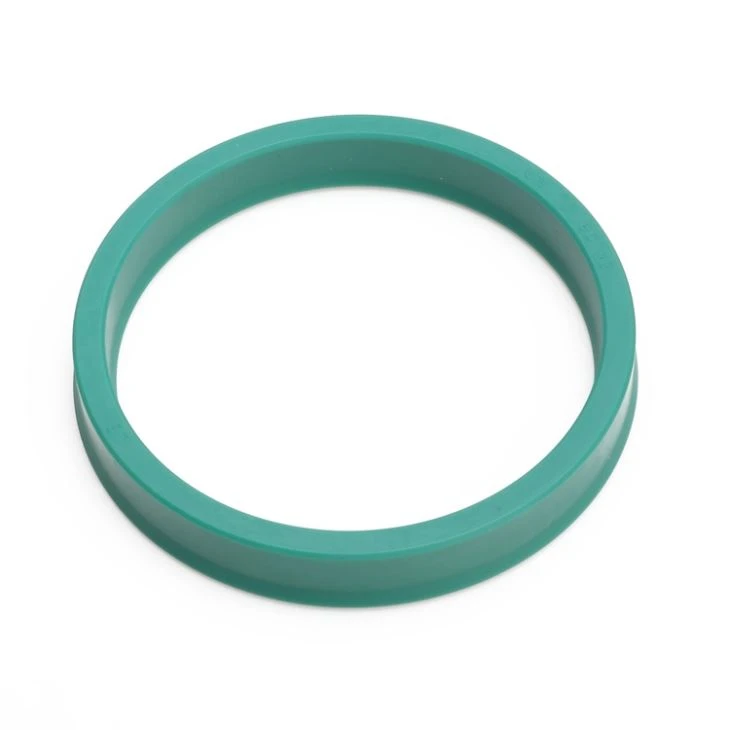
We understand the importance of providing our customers with the right solution for their applications. That's why we offer a comprehensive range of seals in different sizes, materials, and configurations. Our technical experts are available to provide you with personalized advice and support, helping you to select the most suitable seal for your needs.
In addition, we are committed to providing excellent customer service. We offer fast delivery times, competitive pricing, and a hassle-free purchasing experience. Whether you need a small quantity of seals for a prototype or a large order for a production run, we can meet your requirements.
Contact Us for Procurement
If you are interested in purchasing self-lubricating piston rod seals or have any questions about our products, please do not hesitate to contact us. Our team of experts is ready to assist you with your procurement needs and provide you with the best solution for your application. We look forward to working with you to enhance the performance and reliability of your hydraulic and pneumatic systems.
References
- "Hydraulic Seals Handbook" by John S. Dixon
- "Sealing Technology" by Neil B. Brown
- Various industry publications and research papers on piston rod seals and sealing technology