

When it comes to the world of piston rod seals, one critical factor that often goes unnoticed but plays a pivotal role in the performance and longevity of the sealing system is the surface hardness of the piston rod. As a reputable piston rod seals supplier, I have witnessed firsthand the impact that the right surface hardness can have on the overall functionality of the seals. In this blog, we will delve into the requirements for the surface hardness of piston rods when using piston rod seals, exploring why it matters, how it affects the seals, and what standards should be met.
Why Surface Hardness Matters
The surface hardness of a piston rod is not just a random specification; it is a fundamental characteristic that directly influences the performance of the piston rod seals. Piston rod seals are designed to prevent the leakage of fluids, such as hydraulic oil, from the cylinder while maintaining a tight seal against the rod surface. A rod with the appropriate surface hardness can provide a smooth and wear - resistant surface for the seal to slide against, reducing friction and wear on both the rod and the seal.
When the surface hardness is too low, the rod is more susceptible to scratches, abrasions, and deformation. These surface irregularities can cause the seal to lose its integrity, leading to fluid leakage and reduced system efficiency. On the other hand, if the surface hardness is too high, the rod may become brittle, increasing the risk of cracking and spalling. This can also damage the seal and compromise the sealing performance.
Impact on Piston Rod Seals
Let's take a closer look at how the surface hardness of the piston rod affects different types of piston rod seals.
TPU Oil Seals
TPU Oil Seals are known for their excellent wear resistance and flexibility. However, they require a smooth and hard rod surface to function optimally. A rod with insufficient hardness can cause the TPU material to wear down quickly, as the soft surface can trap abrasive particles and cause them to rub against the seal. This wear can lead to a loss of sealing effectiveness and an increase in fluid leakage.
Conversely, a rod with excessive hardness can cause the TPU seal to experience high stress concentrations at the contact points. This can lead to premature cracking and failure of the seal. Therefore, maintaining the right surface hardness is crucial for the long - term performance of TPU oil seals.
Reciprocating Vee Packing Seals V Ring Sets
Reciprocating Vee Packing Seals V Ring Sets are used in applications where high - pressure sealing is required. These seals rely on a proper fit and contact with the piston rod surface to create an effective seal. A rod with a low surface hardness can cause the V - rings to embed into the rod surface, resulting in a loss of sealing force and increased leakage.
Moreover, the soft surface can cause the V - rings to wear unevenly, reducing their sealing performance over time. A rod with a high surface hardness, on the other hand, can prevent the V - rings from conforming properly to the rod surface, also leading to sealing issues. Achieving the correct surface hardness ensures that the V - rings can maintain their shape and sealing ability throughout their service life.
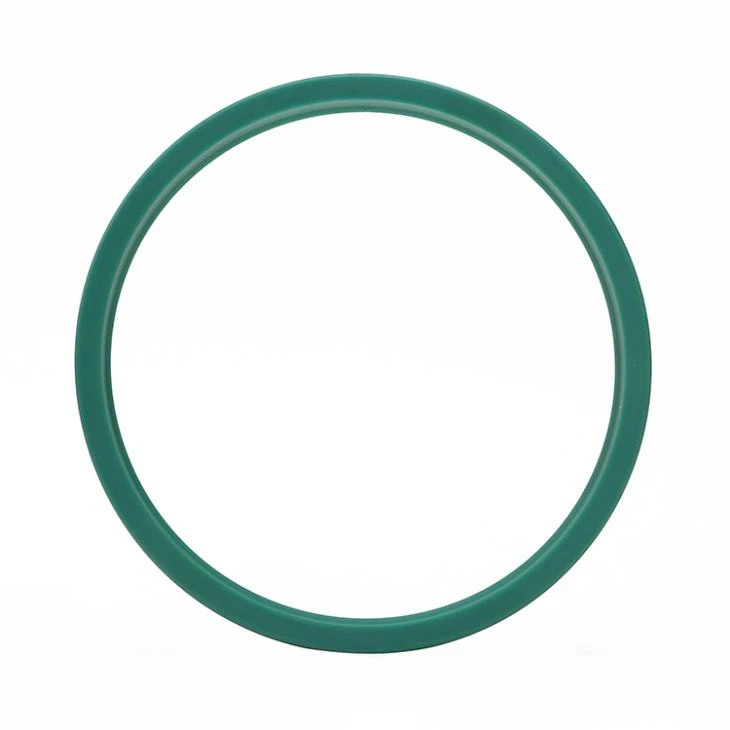

Hydraulic Piston Rod Seals
Hydraulic Piston Rod Seals are commonly used in hydraulic systems, where they are subjected to high pressures and dynamic loads. The surface hardness of the piston rod has a significant impact on the wear and tear of these seals. A rod with an improper surface hardness can cause the seal to experience excessive friction, which generates heat and accelerates the wear process.
In addition, a soft rod surface can allow contaminants to penetrate the seal interface, causing damage to the seal and the hydraulic system. A hard but brittle rod can cause the seal to be damaged by sharp edges or chips, leading to fluid leakage and system failure. Therefore, for hydraulic piston rod seals, the surface hardness of the rod must be carefully controlled to ensure reliable and long - lasting performance.
Standards for Surface Hardness
The requirements for the surface hardness of piston rods can vary depending on the application, the type of seal used, and the operating conditions. However, there are some general guidelines that can be followed.
In most industrial applications, the surface hardness of the piston rod is typically specified in terms of Rockwell hardness (HRC) or Brinell hardness (HB). For general - purpose piston rod seals, a surface hardness in the range of 40 - 60 HRC is often recommended. This hardness range provides a good balance between wear resistance and toughness, ensuring that the rod can withstand the forces exerted by the seal without being too brittle.
In high - pressure applications, such as those found in heavy - duty hydraulic systems, a higher surface hardness may be required. A hardness of 55 - 65 HRC can help the rod resist the high pressures and prevent deformation. However, it is important to note that increasing the hardness also increases the risk of brittleness, so proper heat treatment and material selection are essential.
Measuring and Controlling Surface Hardness
To ensure that the piston rods meet the required surface hardness standards, accurate measurement and control are necessary. There are several methods available for measuring the surface hardness of a piston rod, including Rockwell hardness testing, Brinell hardness testing, and Vickers hardness testing. These methods involve applying a specific load to the rod surface using an indenter and measuring the size of the indentation.
During the manufacturing process, the surface hardness of the piston rod can be controlled through heat treatment, such as quenching and tempering. Heat treatment can alter the microstructure of the rod material, increasing its hardness and improving its mechanical properties. Additionally, proper machining processes, such as grinding and honing, can help to ensure a smooth and uniform surface finish, which is also important for the performance of the piston rod seals.
Conclusion
In conclusion, the surface hardness of the piston rod is a critical factor that must be carefully considered when using piston rod seals. As a piston rod seals supplier, I understand the importance of providing our customers with the right information and products to ensure the optimal performance of their sealing systems. Whether you are using TPU Oil Seals, Reciprocating Vee Packing Seals V Ring Sets, or Hydraulic Piston Rod Seals, the surface hardness of the piston rod can significantly impact the sealing effectiveness, wear resistance, and longevity of the seals.
If you have any questions about the surface hardness requirements for your piston rod seals or are interested in purchasing high - quality piston rod seals, please do not hesitate to contact us. Our team of experts is ready to assist you in finding the best solutions for your specific applications.
References
- Neale, M. J. (Ed.). (2001). Tribology Handbook. Elsevier.
- Liping, W., & Hong, L. (2006). Tribology of Piston Ring - Cylinder Liner System. Science Press.
- Hutchings, I. M. (1992). Tribology: Friction and Wear of Engineering Materials. CRC Press.