

Hey there! As a supplier of shaft oil seals, I've seen my fair share of problems when it comes to these little but crucial components. In this blog, I'll share some tips on how to troubleshoot shaft oil seal problems.
Understanding Shaft Oil Seals
First off, let's quickly go over what shaft oil seals are. Shaft oil seals are used to keep lubricants in and contaminants out. They're installed around rotating shafts in various machines, like engines, pumps, and gearboxes. There are different types, such as Piston Rotary Shaft Seals, Rotary Composite Seals, and Rotary Shaft Seals. Each type has its own unique design and application, but they all serve the same basic purpose.
Common Shaft Oil Seal Problems
Leakage
Leakage is probably the most common problem you'll encounter with shaft oil seals. If you notice oil dripping or pooling around the shaft, that's a clear sign of a leak. There are several reasons why a seal might start leaking:
- Wear and Tear: Over time, the seal lip can wear down due to friction against the shaft. This is especially true if the shaft has rough spots or if the seal is operating in a high - speed environment.
- Improper Installation: If the seal isn't installed correctly, it might not form a proper seal. For example, if the seal is tilted during installation, it can cause uneven pressure on the seal lip, leading to leakage.
- Contamination: Dirt, debris, or abrasive particles can get into the seal area. These contaminants can damage the seal lip and cause it to lose its sealing ability.
- Chemical Compatibility: If the oil or lubricant used is not compatible with the seal material, it can cause the seal to swell, shrink, or become brittle. This can also result in leakage.
Excessive Friction
Another problem is excessive friction. When there's too much friction between the seal and the shaft, it can lead to overheating, increased wear on the seal and the shaft, and even reduced efficiency of the machine. Some causes of excessive friction include:
- Incorrect Seal Size: If the seal is too tight, it will create more friction against the shaft. On the other hand, if it's too loose, it won't seal properly.
- Lack of Lubrication: Without proper lubrication, the seal and the shaft will rub against each other, causing high friction.
- Hardened Seal Material: Over time, the seal material can harden due to exposure to high temperatures, chemicals, or age. A hardened seal will have more friction against the shaft.
Seal Damage
Seal damage can occur in various forms, such as cuts, tears, or cracks. This can be caused by:
- Sharp Edges: If the shaft has sharp edges or burrs, it can cut into the seal lip.
- Installation Tools: Using improper installation tools can also damage the seal. For example, if you use a tool that's too sharp or rough, it can scratch or tear the seal.
- Mechanical Stress: High - pressure conditions or sudden shocks can put stress on the seal, causing it to crack or break.
Troubleshooting Steps
Step 1: Visual Inspection
The first thing you should do when you suspect a shaft oil seal problem is to do a visual inspection. Look for signs of leakage, such as oil stains around the shaft. Check the seal for any visible damage, like cuts, tears, or cracks. Also, look at the shaft to see if there are any rough spots, burrs, or signs of wear.
Step 2: Check the Installation
Make sure the seal was installed correctly. Check if it's properly seated in the housing and if it's not tilted. If the seal was recently installed, review the installation process to see if any mistakes were made.
Step 3: Analyze the Lubricant
Check the type and condition of the lubricant. Make sure it's compatible with the seal material. Also, look for signs of contamination in the lubricant. If the lubricant is dirty or has a strange odor, it could be causing problems for the seal.
Step 4: Measure the Shaft
Use a micrometer or other measuring tools to check the diameter of the shaft. Make sure it's within the specified tolerance for the seal. A shaft that's too large or too small can cause problems with the seal.
Step 5: Evaluate the Operating Conditions
Consider the operating conditions of the machine. If the machine is operating at high temperatures or pressures, it could be affecting the seal. Look for any signs of overheating, such as discoloration of the seal or the shaft. Also, check if there are any vibrations or shocks that could be causing stress on the seal.
Solutions to Shaft Oil Seal Problems
For Leakage
- Replace the Seal: If the seal is worn out, damaged, or not compatible with the lubricant, the best solution is to replace it. Make sure to choose the right type and size of seal for your application.
- Repair the Shaft: If the shaft has rough spots or burrs, you can use a fine - grit sandpaper to smooth it out. In some cases, you might need to machine the shaft to restore its proper surface finish.
- Improve Installation: Follow the correct installation procedures. Use proper installation tools and make sure the seal is installed straight and evenly.
For Excessive Friction
- Adjust the Seal Size: If the seal is too tight, you can try to select a slightly larger size. If it's too loose, choose a smaller one.
- Add Lubrication: Make sure there's enough lubrication between the seal and the shaft. You can also consider using a lubricant with better anti - friction properties.
- Replace the Seal Material: If the seal material has hardened, replace it with a new one that's more suitable for the operating conditions.
For Seal Damage
- Replace the Seal: If the seal is cut, torn, or cracked, it needs to be replaced immediately. Also, address the cause of the damage, such as removing sharp edges from the shaft or using proper installation tools.
Conclusion
Troubleshooting shaft oil seal problems can seem a bit daunting at first, but by following these steps, you can identify and solve most issues. Remember, choosing the right seal, installing it correctly, and maintaining proper operating conditions are key to ensuring the long - term performance of your shaft oil seals.

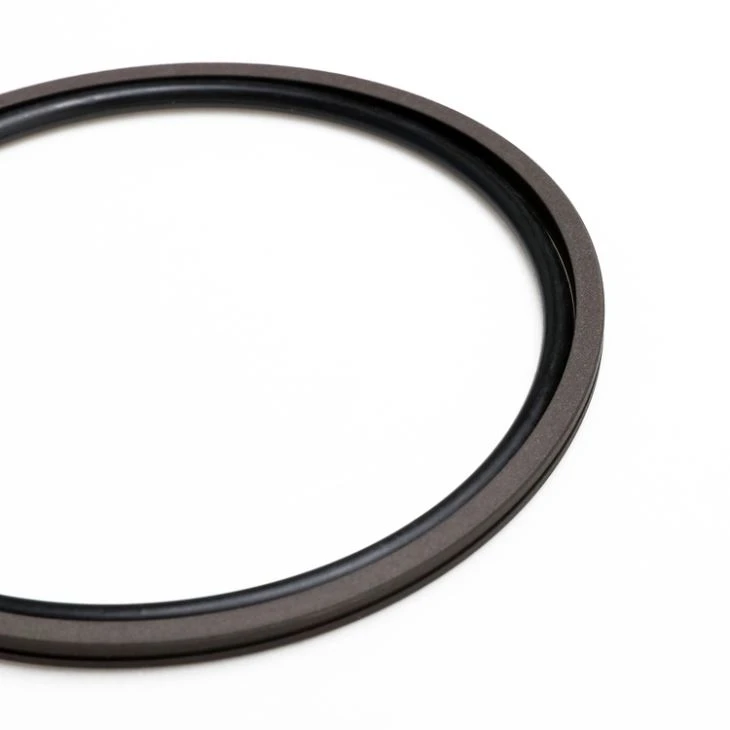
If you're having trouble with your shaft oil seals or are looking for high - quality seals for your application, don't hesitate to reach out. We're here to help you find the best solutions for your needs. Whether you need Piston Rotary Shaft Seals, Rotary Composite Seals, or Rotary Shaft Seals, we've got you covered. Let's start a conversation and see how we can work together to keep your machines running smoothly.
References
- Handbook of Sealing Technology
- Machinery's Handbook