

A shaft oil seal is a crucial component in many mechanical systems, designed to prevent the leakage of lubricating oil and the ingress of contaminants. As a leading shaft oil seal supplier, we understand the importance of promptly identifying the signs of a failing shaft oil seal. This can prevent more significant mechanical problems, reduce downtime, and save costs associated with repairs and replacements.
One of the most obvious signs of a failing shaft oil seal is oil leakage. You may notice pools of oil underneath the equipment, which is a clear indication that the seal is no longer effectively containing the lubricant. Oil leakage can occur for several reasons. Over time, the constant contact between the seal lip and the shaft surface can cause wear and tear. As the seal lip becomes worn, it loses its ability to maintain a tight seal, allowing oil to escape. Additionally, high operating temperatures can cause the seal material to harden and crack, further exacerbating the leakage problem.
Another sign to watch out for is increased friction and heat generation. A properly functioning shaft oil seal has a relatively low coefficient of friction with the shaft. However, when the seal begins to fail, it may bind against the shaft, leading to increased friction. This increased friction not only generates excessive heat but also places additional stress on the shaft and other components in the system. You may notice a rise in the operating temperature of the equipment, which can be detected by touch or by using a temperature sensor. If left unaddressed, the excessive heat can cause further damage to the seal and other parts of the machinery, potentially leading to a complete breakdown.
Abnormal noise can also be an indication of a failing shaft oil seal. As the seal wears or becomes misaligned, it may create a scraping or rattling sound. This noise is often caused by the uneven contact between the seal and the shaft. For example, if the seal is not properly installed or if it has been damaged, it may rub against the shaft in an irregular manner, producing a distinct noise. In some cases, the noise may be intermittent, making it more challenging to diagnose. However, any unusual noise coming from the machinery should be investigated promptly, as it could be a sign of a significant problem with the shaft oil seal.
Vibrations in the equipment can also signal a failing shaft oil seal. A worn or damaged seal can cause uneven forces to act on the shaft, resulting in vibrations. These vibrations can be felt throughout the machinery and may become more pronounced as the problem worsens. Vibrations not only indicate a problem with the seal but can also cause damage to other components in the system. For instance, they can loosen bolts, wear out bearings, and even affect the overall stability of the equipment. If you notice excessive vibrations in the machinery, it is essential to check the shaft oil seal as part of your troubleshooting process.
Contaminant ingress is another sign of a failing shaft oil seal. The primary function of an oil seal is to prevent the entry of dirt, dust, and other contaminants into the lubrication system. When the seal fails, these contaminants can enter the system, mixing with the oil and causing damage to the internal components. You may notice a change in the color or consistency of the oil, which can be an indication of contamination. Additionally, the presence of contaminants can cause increased wear on the bearings and other moving parts, reducing their lifespan and performance. Regularly checking the oil for signs of contamination can help you detect a failing seal early and take appropriate action.
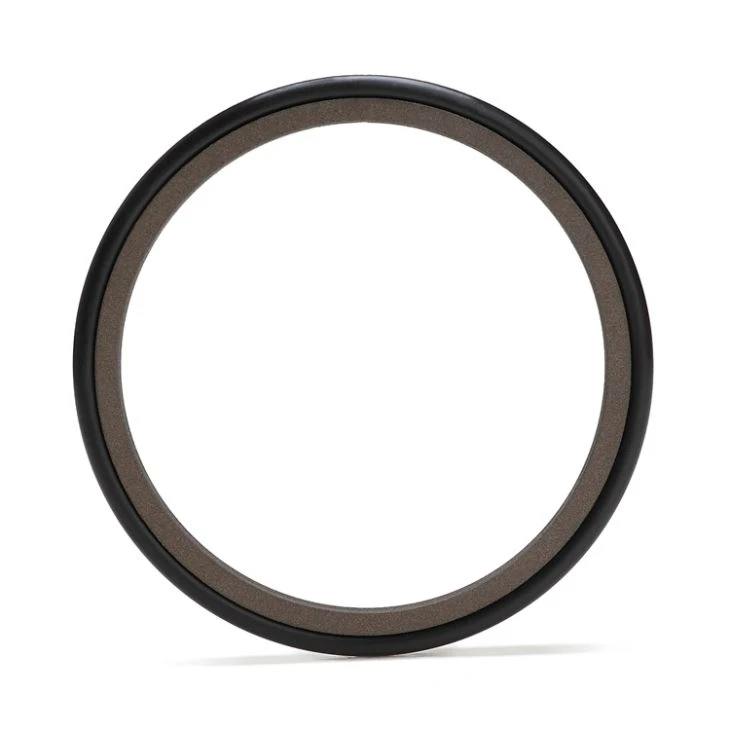
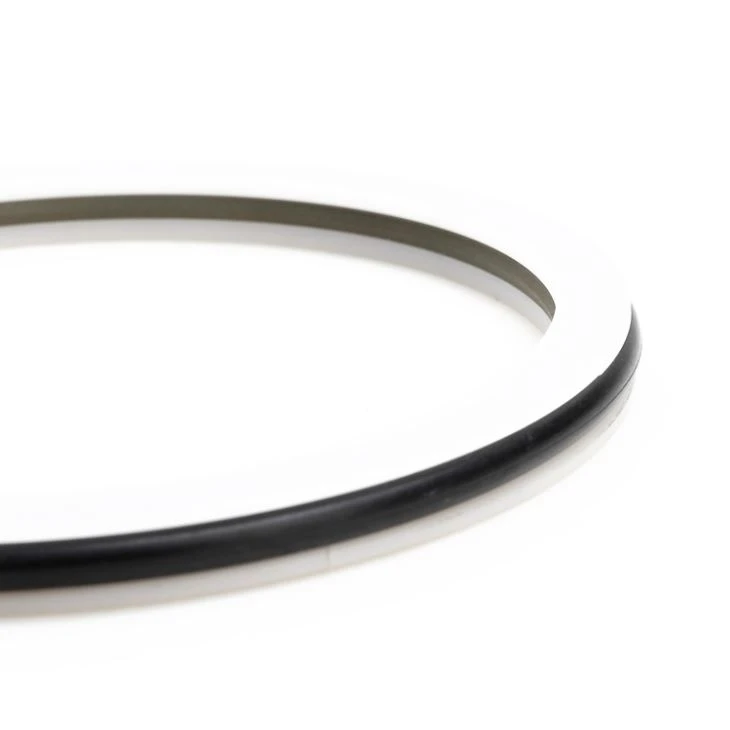
As a trusted shaft oil seal supplier, we offer a wide range of high - quality seals to meet your specific needs. Our Rotary Shaft Seals are designed to provide reliable performance in various applications. They are made from premium materials that can withstand high temperatures, pressures, and harsh operating conditions. The innovative design of our rotary shaft seals ensures a tight fit and low friction, minimizing the risk of leakage and extending the service life of the seal.
For more compact applications, we recommend our Rotary Compact Seals. These seals are engineered to provide maximum sealing performance in a limited space. They are ideal for use in small - sized machinery and equipment where space is a critical factor. The advanced manufacturing techniques used in the production of our rotary compact seals ensure high precision and consistency, guaranteeing reliable operation.
Our Rod Rotary Shaft Seals are designed for use in applications where the shaft is subject to both rotary and reciprocating motion. These seals are built to handle the complex forces and movements, providing excellent sealing capabilities. They are made from durable materials that can resist wear and tear, ensuring long - term performance.
We understand that the reliability of your equipment depends on the quality of the shaft oil seals. That's why we are committed to providing our customers with the best products and services. If you suspect that your shaft oil seals are failing or if you are looking for high - quality seals for your new equipment, we invite you to contact us for a consultation. Our team of experts is available to assist you in selecting the right seals for your specific application, answering your questions, and providing professional advice.
In conclusion, being able to recognize the signs of a failing shaft oil seal is crucial for maintaining the reliability and efficiency of your mechanical systems. By promptly addressing these issues, you can avoid costly repairs and downtime. As a leading shaft oil seal supplier, we are dedicated to helping you keep your equipment running smoothly. Don't hesitate to reach out to us for all your shaft oil seal needs.
References
- Boyes, D. (2017). Handbook of Hydraulic Engineering Systems. Butterworth - Heinemann.
- Elastomer Products Manufacturing Association. (2019). Guide to Rubber Seals.
- Shigley, J. E., & Mischke, C. R. (2003). Mechanical Engineering Design. McGraw - Hill.