

As a supplier of Shaft Oil Seals, I've witnessed firsthand the crucial role these components play in various industrial applications. Shaft oil seals are designed to prevent the leakage of lubricants and the ingress of contaminants, ensuring the smooth operation of rotating machinery. However, like any mechanical part, they are subject to failure. Understanding the typical failure modes of shaft oil seals is essential for both manufacturers and end-users to ensure the reliability and longevity of their equipment.
1. Wear and Abrasion
One of the most common failure modes of shaft oil seals is wear and abrasion. The sealing lip of the oil seal is in constant contact with the rotating shaft, and over time, this contact can cause the lip material to wear down. Factors such as high shaft speeds, rough shaft surfaces, and the presence of abrasive particles in the lubricant can accelerate this wear process.
When the sealing lip wears, it loses its ability to maintain a tight seal against the shaft. This can lead to oil leakage, which not only results in lubricant loss but can also cause damage to other components in the system. For example, if oil leaks onto electrical components, it can cause short circuits and system failures.
To mitigate wear and abrasion, it's important to choose the right seal material for the application. Materials such as nitrile rubber (NBR), fluoroelastomers (FKM), and polytetrafluoroethylene (PTFE) offer different levels of wear resistance. Additionally, ensuring a smooth shaft surface finish and using clean lubricants can significantly reduce the rate of wear.
2. Hardening and Brittleness
Shaft oil seals can also fail due to hardening and brittleness. This is often caused by exposure to high temperatures, chemicals, or aging. When the seal material hardens, it loses its flexibility and elasticity, making it difficult for the sealing lip to conform to the shaft surface.
High temperatures can cause the rubber in the seal to break down and lose its original properties. Chemicals, such as solvents or acids, can also react with the seal material, causing it to harden and become brittle. Aging is another factor that can contribute to hardening, as the seal material gradually deteriorates over time.
Once the seal becomes hard and brittle, it is more likely to crack or break, leading to leakage. To prevent hardening and brittleness, it's important to select a seal material that is resistant to the specific environmental conditions of the application. For example, FKM seals are known for their excellent heat and chemical resistance. Additionally, proper installation and maintenance, including regular inspections and replacement of seals at recommended intervals, can help extend the life of the seal.
3. Installation Damage
Improper installation is a common cause of shaft oil seal failure. During installation, the seal can be damaged if it is not handled correctly or if the installation tools are not used properly. For example, if the seal is forced onto the shaft at an angle, it can cause the sealing lip to be distorted or damaged.
Using sharp or rough installation tools can also scratch or cut the seal, compromising its integrity. Additionally, if the shaft or housing is not clean or has burrs, it can cause damage to the seal during installation.
To avoid installation damage, it's important to follow the manufacturer's installation instructions carefully. This may include using the correct installation tools, ensuring a clean and smooth installation surface, and applying the right amount of force when installing the seal.
4. Misalignment
Misalignment between the shaft and the housing can put additional stress on the shaft oil seal, leading to premature failure. Misalignment can occur due to improper installation, mechanical vibrations, or thermal expansion.
When the shaft is misaligned, the sealing lip of the oil seal is subjected to uneven pressure, causing it to wear unevenly. This can lead to leakage and reduced seal life. In severe cases, misalignment can cause the seal to be completely damaged.
To prevent misalignment, it's important to ensure proper alignment during installation. This may involve using alignment tools and checking the alignment regularly during operation. Additionally, using flexible couplings or vibration dampers can help reduce the effects of mechanical vibrations.
5. Pressure and Temperature Extremes
Shaft oil seals are designed to operate within specific pressure and temperature ranges. Exposure to pressure or temperature extremes can cause the seal to fail. High pressures can cause the seal to be extruded or blow out, while low pressures can prevent the seal from maintaining a proper seal.
Similarly, extreme temperatures can affect the performance of the seal. High temperatures can cause the seal material to soften and lose its sealing properties, while low temperatures can make the seal material brittle and prone to cracking.
To ensure the seal can withstand the pressure and temperature conditions of the application, it's important to select a seal that is rated for the specific operating conditions. This may involve choosing a seal with a higher pressure or temperature rating or using additional cooling or heating systems to maintain the operating conditions within the recommended range.

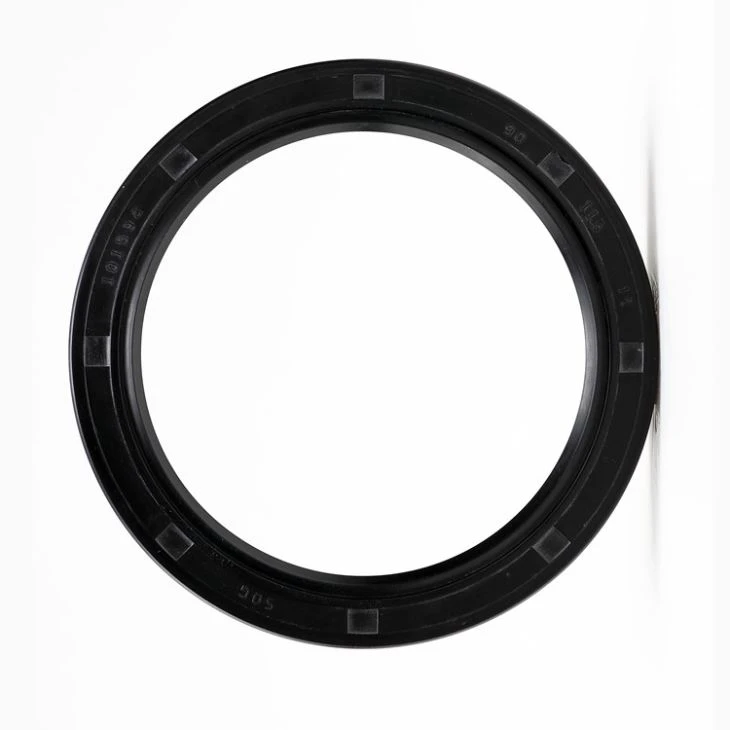
6. Contamination
Contamination is another common cause of shaft oil seal failure. Contaminants such as dirt, dust, and metal particles can enter the system and damage the seal. These contaminants can act as abrasives, accelerating wear and causing the seal to leak.
Contamination can also cause corrosion of the shaft or housing, which can further damage the seal. In addition, if the lubricant is contaminated, it can affect the performance of the seal and lead to premature failure.
To prevent contamination, it's important to use proper filtration systems to keep the lubricant clean. Additionally, sealing the system properly and using protective covers can help prevent dirt and dust from entering the system.
Conclusion
Understanding the typical failure modes of shaft oil seals is crucial for ensuring the reliability and performance of rotating machinery. By being aware of these failure modes and taking appropriate preventive measures, such as choosing the right seal material, ensuring proper installation, and maintaining the operating conditions within the recommended range, we can significantly extend the life of the seals and reduce the risk of leakage and system failures.
If you're in the market for high-quality Shaft Oil Seals, Rotary Shaft Seals, or Piston Rotary Shaft Seals, we invite you to contact us for more information. Our team of experts can help you select the right seal for your specific application and provide you with the support you need to ensure its proper installation and maintenance.
References
- "Handbook of Sealing Technology" by Adam W. Lebeck
- "Sealing Technology for Rotating Equipment" by John P. Blair
- Manufacturer's technical documentation for shaft oil seals