

As a supplier of Rotary Compact Seals, I've witnessed firsthand the critical role that seal lip design plays in the performance of these essential components. In this blog, I'll delve into the various aspects of seal lip design and explore how it influences the overall performance of rotary compact seals.
Understanding Rotary Compact Seals
Before we dive into the influence of seal lip design, let's first understand what rotary compact seals are. Rotary Compact Seals are a type of sealing solution used in a wide range of applications, from automotive engines to industrial machinery. These seals are designed to prevent the leakage of fluids, such as oil and grease, while also protecting the internal components from contaminants, such as dust and dirt.
The Rotary Compact Seals we supply are known for their compact design, high performance, and long service life. They are typically made from high-quality materials, such as rubber and metal, and are designed to withstand the harsh operating conditions of various applications.
The Importance of Seal Lip Design
The seal lip is one of the most critical components of a rotary compact seal. It is the part of the seal that comes into direct contact with the rotating shaft, creating a barrier between the fluid being sealed and the external environment. The design of the seal lip can have a significant impact on the performance of the seal, including its sealing efficiency, wear resistance, and durability.
Sealing Efficiency
The primary function of a rotary compact seal is to prevent the leakage of fluids. The design of the seal lip plays a crucial role in achieving this goal. A well-designed seal lip will create a tight seal against the rotating shaft, minimizing the amount of fluid that can escape. This is particularly important in applications where the fluid being sealed is expensive or hazardous, such as in automotive engines or chemical processing plants.
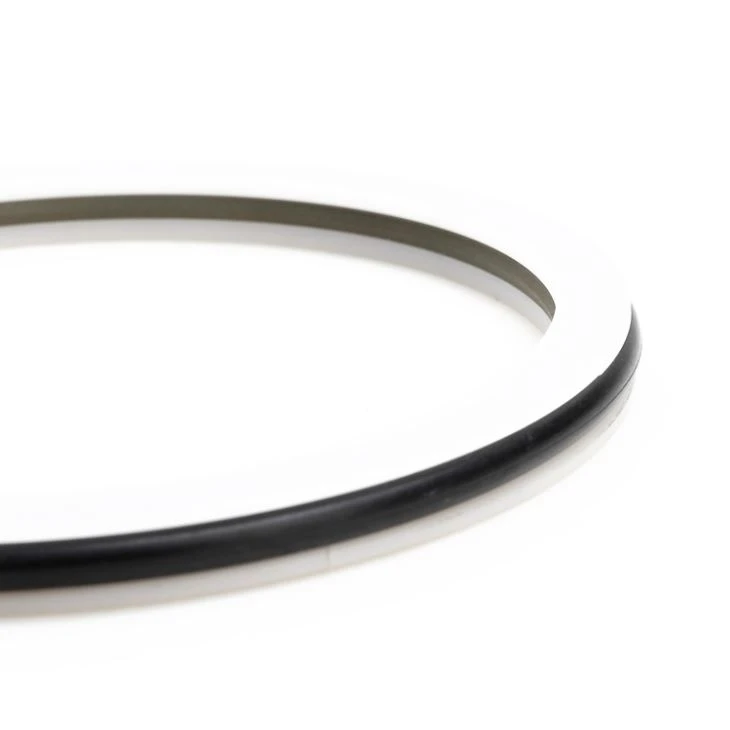

One of the key factors that affect the sealing efficiency of a seal lip is its shape. There are several different types of seal lip shapes, each with its own advantages and disadvantages. For example, a single-lip seal is a simple and cost-effective design that is suitable for many applications. However, it may not provide the same level of sealing efficiency as a double-lip or multi-lip seal.
A double-lip seal has two sealing lips that work together to create a more effective seal. The outer lip is typically designed to prevent the ingress of contaminants, while the inner lip is responsible for sealing the fluid. This design can provide a higher level of sealing efficiency, particularly in applications where the operating conditions are more demanding.
Multi-lip seals are even more advanced, with three or more sealing lips. These seals are typically used in applications where the highest level of sealing efficiency is required, such as in aerospace or medical equipment.
Wear Resistance
In addition to sealing efficiency, the wear resistance of the seal lip is also an important consideration. The seal lip is constantly in contact with the rotating shaft, which can cause it to wear over time. A well-designed seal lip will be able to withstand the wear and tear of continuous operation, ensuring a long service life for the seal.
One of the factors that affect the wear resistance of a seal lip is the material it is made from. Different materials have different levels of wear resistance, so it's important to choose the right material for the specific application. For example, seals made from high-performance elastomers, such as fluorocarbon rubber (FKM), are known for their excellent wear resistance and chemical resistance.
The design of the seal lip can also affect its wear resistance. For example, a seal lip with a larger contact area will distribute the wear more evenly, reducing the risk of premature failure. Additionally, a seal lip with a smooth surface finish will reduce the friction between the seal and the shaft, further minimizing wear.
Durability
The durability of the seal lip is closely related to its wear resistance. A seal lip that is able to withstand the wear and tear of continuous operation will also be more durable, lasting longer and requiring less frequent replacement.
In addition to wear resistance, the durability of the seal lip can also be affected by other factors, such as the operating temperature, pressure, and speed. For example, seals that are used in high-temperature applications may require special materials or designs to ensure their durability.
The design of the seal lip can also play a role in its durability. For example, a seal lip with a reinforced structure will be more resistant to deformation and damage, ensuring a longer service life. Additionally, a seal lip with a proper drainage system will prevent the accumulation of fluid and contaminants, reducing the risk of corrosion and other forms of damage.
Other Considerations
In addition to the factors discussed above, there are several other considerations when it comes to the design of the seal lip. These include:
Friction
The friction between the seal lip and the rotating shaft can have a significant impact on the performance of the seal. High friction can cause the seal to heat up, which can lead to premature failure. Additionally, high friction can increase the power consumption of the equipment, reducing its efficiency.
To minimize friction, the seal lip should be designed with a smooth surface finish and the right amount of lubrication. Additionally, the material of the seal lip should be chosen to have a low coefficient of friction.
Compatibility
The seal lip must be compatible with the fluid being sealed and the environment in which it operates. Different materials have different levels of chemical resistance, so it's important to choose the right material for the specific application. For example, seals that are used in applications where the fluid is acidic or alkaline may require a material that is resistant to these chemicals.
Installation
The ease of installation of the seal is also an important consideration. A well-designed seal lip will be easy to install, reducing the time and cost of installation. Additionally, the seal should be designed to be compatible with the installation process, ensuring a proper fit and seal.
Conclusion
In conclusion, the seal lip design plays a crucial role in the performance of rotary compact seals. A well-designed seal lip can provide high sealing efficiency, wear resistance, and durability, ensuring a long service life for the seal. When choosing a rotary compact seal, it's important to consider the specific requirements of the application and choose a seal with a design that is optimized for those requirements.
If you're in the market for Rotary Compact Seals, Rotary Shaft Seals, or Water Seal V Rings, we'd be happy to help. Our team of experts can work with you to understand your specific requirements and recommend the best sealing solution for your application. Contact us today to start the procurement discussion and find the perfect seals for your needs.
References
- "Sealing Technology Handbook" by John H. Bickford
- "Rotary Shaft Seals: Design, Materials, and Applications" by Klaus-Werner Fritz