

If you’ve ever stepped into a factory, watched a construction vehicle rumble past, or operated a hydraulic lift, you’ve interacted with a part that does most of the quiet, heavy lifting out of sight: the scraper seal. These unassuming components are the first line of defense against dirt, dust, water, and other contaminants that would grind down costly hydraulic cylinders, linear actuators, and rotary shafts. But if you’re someone sourcing these seals—whether you’re a maintenance manager, equipment designer, or procurement lead—one of the most common questions you’ll ask is: “What sizes are available for scraper seals?”
I’ve spent 12 years as a scraper seal supplier, and I’ve heard that question hundreds of times. The answer isn’t one-size-fits-all (pun absolutely intended, though I wish I’d come up with it sooner) because scraper seals aren’t generic. They’re engineered to match specific machinery, operating conditions, and industry standards, so size availability depends on several key factors: the seal type, the shaft or bore it fits, material composition, and regional industry norms. Let’s break this down clearly, because knowing your sizing options means you can avoid downtime, cut replacement costs, and keep your equipment running as it should.

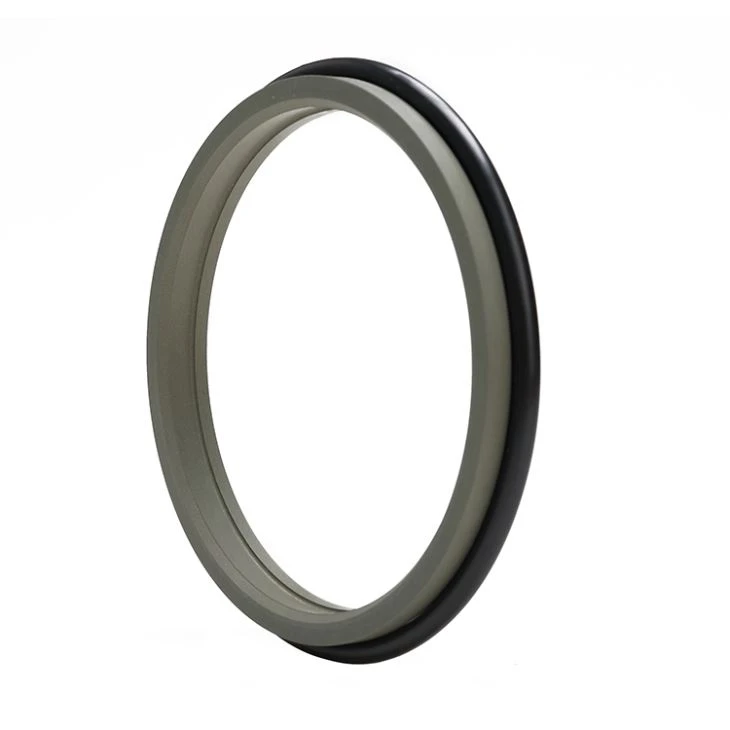
First, let’s get clear on the types of scraper seals we offer, since size ranges are tailored to each. Not all scraper seals work the same, so their sizes differ to match their purpose. For example, our Low Friction Wiper Seal With O-rings is designed for applications where minimal friction is non-negotiable—think robotics or precision industrial machinery. These seals combine a flexible nitrile rubber wiper with an O-ring core to create a tight, consistent seal that doesn’t drag on moving parts. Their size range starts at 6 mm (0.236 inches) for small linear actuators and goes up to 500 mm (19.685 inches) for larger hydraulic systems. That range covers everything from small medical device components to mid-sized factory automation equipment.
Next, our Teflon Scrapers are another popular option, especially for harsh, high-temperature, or chemical-exposed environments. Teflon (PTFE) is prized for its resistance to corrosion, abrasion, and extreme heat—so these seals are common in mining, agriculture, and chemical processing. Unlike rubber-based scrapers, Teflon scrapers are often sized to fit custom shaft diameters because of their rigid, molded design. Our standard Teflon scraper sizes run from 10 mm (0.393 inches) up to 1,200 mm (47.244 inches) for large industrial shafts, and we also offer custom machining for sizes outside that range if a project has unique requirements. I still remember a mining client that needed a 950 mm Teflon scraper for a giant bucket excavator—we machined it in 10 days, and it’s still going strong three years later.
If you work with heavy-duty trucks, construction equipment, or farm machinery, Wiper Rings For Truck Cylinders are your go-to. These seals are built to handle the constant vibration, heavy loads, and exposure to road grime that truck and equipment cylinders face. Their size range is specifically calibrated to match standard SAE (Society of Automotive Engineers) and ISO (International Organization for Standardization) cylinder dimensions. That means our wiper rings for truck cylinders come in SAE standard bore sizes from 25 mm (0.984 inches) up to 200 mm (7.874 inches), and corresponding shaft sizes that align with common cylinder manufacturers like Parker, Eaton, and John Deere. No guesswork here—these are sized to fit directly into most commercial truck and heavy equipment cylinders without modifications.
PTFE Wiper Seals are another workhorse for high-performance applications. They combine the low friction of Teflon with a reinforced design to handle higher pressures than standard Teflon scrapers. We often supply these to manufacturers of construction equipment, agricultural implements, and industrial presses. Their size range is split into two categories: metric and imperial. Metric sizes for PTFE wiper seals run from 12 mm (0.472 inches) to 800 mm (31.496 inches), while imperial sizes for US and Canadian equipment start at 0.5 inches (12.7 mm) up to 30 inches (762 mm). That cross-format range is intentional—we know that equipment specs vary by region, so we stock both metric and imperial to make sourcing easy for customers worldwide.
For applications that need protection on both sides of a cylinder or shaft, Double Acting Dust Seals are the solution. These seals are designed to block contaminants from two directions, making them ideal for telescopic cylinders, agricultural equipment, and linear motion systems that operate in dusty environments. Their size range is focused on hydraulic cylinder bores, so we offer them in metric sizes from 30 mm (1.181 inches) to 400 mm (15.748 inches) and imperial sizes from 1.25 inches (31.75 mm) to 16 inches (406.4 mm). What’s nice about double acting seals is that their sizing is standardized to match common piston rod and bore dimensions, so they work as direct replacements for most OEM (Original Equipment Manufacturer) parts.
Now, I know what some of you are thinking: “That’s a lot of ranges, but what if my size isn’t listed?” It’s a question I get all the time, and the short answer is: we can help. While we stock thousands of standard scraper seal sizes to meet common industry needs, we also offer custom sizing for applications where standard parts won’t work. For example, if you’re building a specialized piece of industrial equipment or repairing a vintage machine with non-standard dimensions, we can work with you to design and mold a scraper seal to your exact specifications. Our engineering team will take your shaft or bore measurements, material requirements, and operating conditions into account to create a seal that fits perfectly.
It’s important to note that when sourcing scraper seal sizes, accuracy is everything. A 1 mm difference in shaft diameter might not sound like much, but if your seal is designed to fit a 50 mm shaft and you order a 51 mm one, it won’t create a tight enough seal—letting dirt in, leading to premature wear, and costing you downtime. That’s why we always recommend checking OEM documentation for your equipment, measuring shafts and bores with a precision caliper (not a tape measure, which can be off), and noting if you need metric or imperial sizing before ordering. We also keep detailed spec sheets for every seal type we supply, so you can cross-reference sizes with your equipment’s manual easily.
Over the years, I’ve seen too many customers cut corners on seal sizing, only to end up with broken equipment and expensive repairs. Last year, a small construction company bought a cheap, generic scraper seal from a supplier that didn’t list exact sizes—they thought a 2-inch seal would fit a 2-inch shaft, but it turned out to be designed for a 1.95-inch shaft. Within a week, their excavator’s hydraulic cylinder was damaged by dirt, costing them $12,000 in repairs and a week of downtime on a job they were contracted to finish on time. That’s the kind of headache we work hard to help our customers avoid, which is why we prioritize clear, accurate sizing for every product we offer.
If you’re unsure which size or type of scraper seal is right for your application, we’re here to help. Whether you need a standard size for a replacement part, a custom seal for a new design, or help verifying the right fit for your equipment, our team has decades of experience working with customers across industries. We don’t just sell seals—we help you find the right solution for your specific needs, no matter how big or small the job is.
If you’d like to browse our full range of scraper seals and their detailed size specifications, you can explore our product pages here: Low Friction Wiper Seal With O-rings, Teflon Scrapers, Wiper Rings For Truck Cylinders, PTFE Wiper Seals, and Double Acting Dust Seals. Each page includes exact size charts, material specs, and application notes to help you make an informed decision. For custom sizing inquiries or to place an order, don’t hesitate to reach out to our team—we’re ready to help you get the right seal for your equipment, on time and on budget.
References
- Society of Automotive Engineers (SAE) Standard J204, Hydraulic Cylinder Seals, 2022
- International Organization for Standardization (ISO) Standard 6194, Rubber and Plastics Seals for Rotary and Reciprocating Shafts, 2019
- PTFE Seal Materials: Properties and Industrial Applications, DuPont Performance Materials, 2021
- Hydraulic System Contamination Control: A Practical Guide, National Fluid Power Association (NFPA), 2020
- Custom Molded Rubber and Teflon Sealing Solutions, American Society of Mechanical Engineers (ASME) Technical Paper 18-0045, 2018