

In the realm of fluid power systems, piston polymer seals play a pivotal role in ensuring the efficient and reliable operation of various hydraulic and pneumatic applications. These seals are designed to prevent the leakage of fluids or gases, maintain pressure differentials, and protect critical components from contamination. While their performance in high - pressure environments is often well - documented, understanding how piston polymer seals perform in low - pressure environments is equally important, especially for applications where energy efficiency and precision are key. As a leading supplier of piston polymer seals, we have extensive experience and in - depth knowledge in this area, and we are excited to share our insights with you.
1. Characteristics of Low - Pressure Environments
Low - pressure environments typically refer to systems where the operating pressure is relatively low, usually below 100 psi (pounds per square inch) in hydraulic systems and even lower in pneumatic systems. These environments are common in applications such as medical devices, laboratory equipment, and some consumer products. In these settings, the requirements for sealing are different from those in high - pressure systems.
One of the main characteristics of low - pressure environments is the reduced force acting on the seal. This means that the seal does not need to withstand high - intensity pressure differentials, but it still needs to maintain a reliable seal to prevent any unwanted leakage. Additionally, low - pressure systems often require high precision and low friction, as even a small amount of leakage or excessive friction can significantly affect the performance of the entire system.
2. Performance of Piston Polymer Seals in Low - Pressure Environments
2.1 Sealing Performance
In low - pressure environments, the primary function of piston polymer seals is to prevent the leakage of fluids or gases. Our piston polymer seals are designed with advanced materials and geometries to ensure excellent sealing performance even at low pressures. The polymers used in our seals have high elasticity and low compression set, which allows them to conform to the surface of the piston and cylinder bore, creating a tight seal.
For example, in medical devices such as syringe pumps, where precise fluid control is essential, our piston polymer seals can effectively prevent the backflow of fluids at low operating pressures. This is crucial for maintaining the accuracy of the dosage delivered to patients.
2.2 Friction and Wear
Another important aspect of seal performance in low - pressure environments is friction and wear. Low - friction seals are desirable in these systems because they reduce the energy consumption and increase the lifespan of the components. Our piston polymer seals are engineered to have low coefficients of friction, which helps to minimize the force required to move the piston.
Moreover, the polymers we use have excellent wear resistance properties. In low - pressure applications, where the seal may be subject to repeated sliding motion, this wear resistance ensures that the seal maintains its integrity over time. For instance, in laboratory equipment where the piston moves back and forth frequently, our seals can withstand the wear and tear without significant degradation in performance.
2.3 Chemical Compatibility
Low - pressure systems may use a variety of fluids, including water, oils, and chemicals. Therefore, the chemical compatibility of the piston polymer seals is crucial. Our seals are made from polymers that are carefully selected to be compatible with a wide range of fluids. This ensures that the seals do not swell, shrink, or degrade when in contact with the working fluid, which could compromise the sealing performance.
For example, in some chemical processing applications that operate at low pressures, our piston polymer seals can resist the corrosive effects of various chemicals, providing a long - lasting and reliable sealing solution.
3. Types of Piston Polymer Seals Suitable for Low - Pressure Environments
3.1 Single Acting Piston Seals
Single Acting Piston Seals are designed to seal in one direction only. They are often used in low - pressure applications where the pressure acts on one side of the piston. These seals are relatively simple in design and can provide effective sealing at low pressures. Their single - acting nature makes them suitable for applications such as single - stroke cylinders in some consumer products.
3.2 Double Acting Piston Seals
Double Acting Piston Seals are capable of sealing in both directions. They are commonly used in low - pressure hydraulic and pneumatic systems where the piston needs to move in both directions under the influence of pressure. These seals offer better sealing performance compared to single - acting seals in some applications, especially when there is a need to control the flow of fluid in both directions.
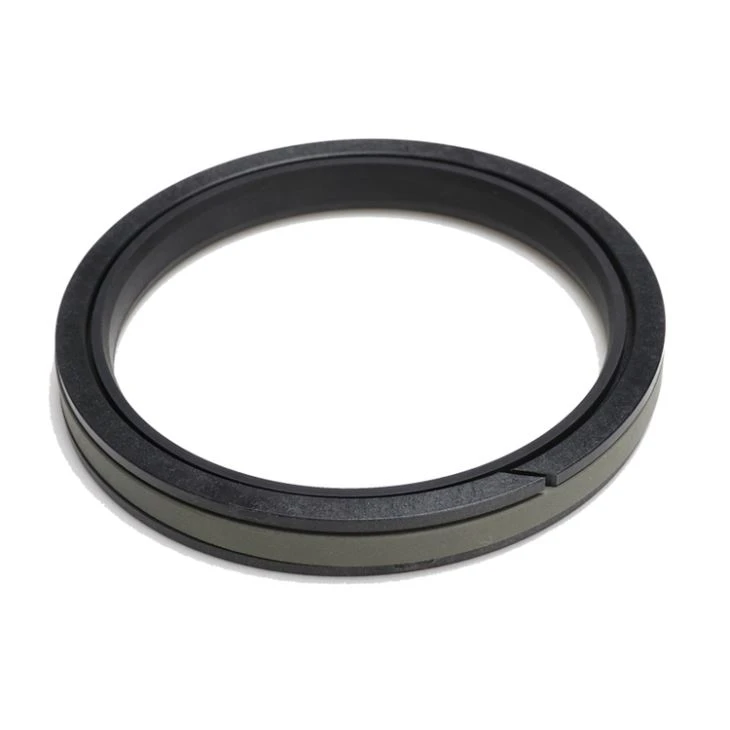
3.3 Double - acting Combined Piston Seal Set
Double - acting Combined Piston Seal Set consists of multiple sealing elements that work together to provide enhanced sealing performance. This type of seal set is particularly suitable for low - pressure applications where high - precision sealing is required. The combination of different sealing elements can address various sealing challenges, such as preventing leakage and reducing friction.
4. Factors Affecting the Performance of Piston Polymer Seals in Low - Pressure Environments
4.1 Surface Finish
The surface finish of the piston and cylinder bore has a significant impact on the sealing performance of piston polymer seals. In low - pressure environments, a smooth surface finish is preferred as it allows the seal to make better contact with the mating surfaces, reducing the risk of leakage. A rough surface can cause the seal to wear out more quickly and may lead to uneven sealing, which can compromise the overall performance of the system.
4.2 Temperature
Temperature can also affect the performance of piston polymer seals in low - pressure environments. Different polymers have different temperature ranges within which they can operate effectively. At low temperatures, some polymers may become brittle, which can reduce their elasticity and sealing performance. On the other hand, high temperatures can cause the polymers to soften, leading to increased wear and potential leakage. Therefore, it is important to select the appropriate polymer material based on the operating temperature of the system.
4.3 Fluid Viscosity
The viscosity of the working fluid is another factor that can influence the performance of piston polymer seals. In low - pressure systems, fluids with lower viscosities may be more prone to leakage. Our piston polymer seals are designed to work effectively with a range of fluid viscosities, but it is still important to consider the fluid properties when selecting the appropriate seal for a specific application.
5. Conclusion and Call to Action
In conclusion, piston polymer seals can perform excellently in low - pressure environments when properly designed and selected. Our company, as a trusted supplier of piston polymer seals, offers a wide range of products that are specifically engineered to meet the unique requirements of low - pressure applications. Whether you need single acting piston seals, double acting piston seals, or double - acting combined piston seal sets, we have the expertise and products to provide you with the best sealing solutions.

If you are looking for high - quality piston polymer seals for your low - pressure applications, we invite you to contact us for a detailed discussion. Our team of experts is ready to assist you in selecting the most suitable seals for your specific needs and to provide you with professional technical support. We are committed to helping you achieve optimal performance and reliability in your fluid power systems.
References
- Engineering Tribology, Third Edition by M. J. Neale
- Handbook of Seal Technology by John H. Bickford