

Hey there! As a supplier of rotary seals, I've seen firsthand how crucial it is to install these seals correctly. A proper installation not only ensures the optimal performance of your machinery but also extends the lifespan of the seals themselves. In this blog, I'm gonna walk you through the steps of installing rotary seals correctly.
Understanding Rotary Seals
Before we dive into the installation process, let's quickly go over what rotary seals are. Rotary seals are used to prevent the leakage of fluids, such as oil or water, in rotating equipment like shafts and bearings. They come in various types, including V Ring Seal, Water Seal V Rings, and Rotary Compact Seals. Each type is designed for specific applications, so it's important to choose the right one for your needs.
Pre-Installation Preparation
The first step in installing rotary seals correctly is to prepare the installation area. Here's what you need to do:
Clean the Shaft and Housing
Make sure the shaft and housing where the seal will be installed are clean and free of any dirt, debris, or old seal material. You can use a clean cloth and a suitable cleaning solvent to wipe down the surfaces. This is super important because any contaminants can damage the seal and cause leaks.
Inspect the Shaft and Housing
Check the shaft and housing for any signs of damage, such as scratches, dents, or corrosion. If you find any issues, you'll need to repair or replace the damaged parts before installing the seal. A damaged shaft or housing can prevent the seal from seating properly and lead to premature failure.
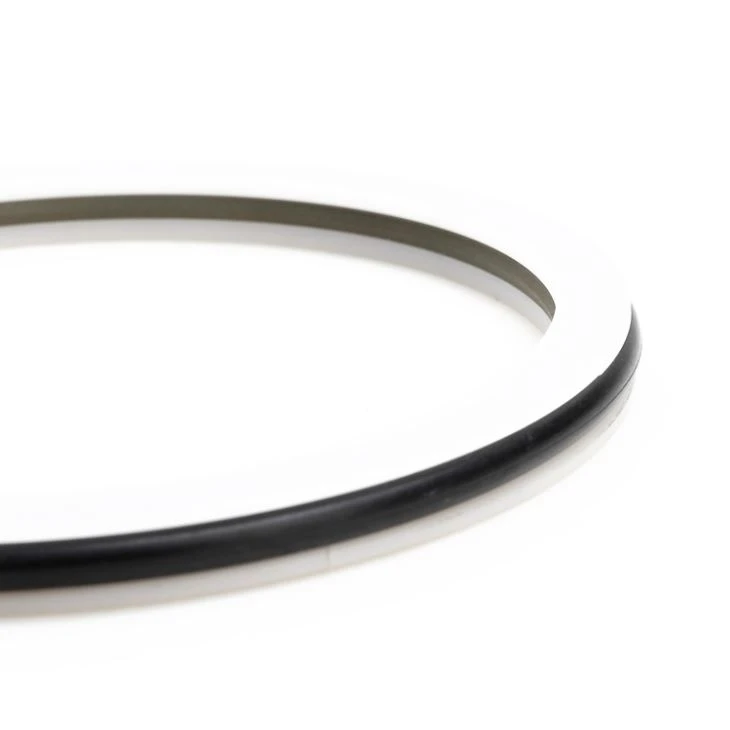

Lubricate the Seal
Apply a thin layer of lubricant to the sealing lip and the outer diameter of the seal. The lubricant helps to reduce friction during installation and also protects the seal from damage. Make sure to use a lubricant that is compatible with the seal material and the fluid being sealed.
Installation Process
Now that you've prepared the installation area, it's time to install the rotary seal. Here are the general steps:
Position the Seal
Carefully place the seal on the shaft, making sure it is centered and aligned correctly. You may need to use a seal installer tool to help you position the seal properly. Avoid twisting or bending the seal during installation, as this can damage the sealing lip.
Press the Seal into Place
Using a seal press or a suitable tool, gently press the seal into the housing until it is fully seated. Make sure to apply even pressure around the entire circumference of the seal to ensure a proper fit. Don't use excessive force, as this can also damage the seal.
Check the Seal Position
Once the seal is installed, check to make sure it is still centered and aligned correctly. You can use a straightedge or a caliper to measure the distance between the seal and the shaft or housing. If the seal is not positioned correctly, you may need to remove it and reinstall it.
Post-Installation Checks
After installing the rotary seal, it's important to perform some post-installation checks to ensure everything is working properly. Here's what you need to do:
Check for Leaks
Start the equipment and run it for a few minutes to check for any leaks. Look for any signs of fluid leakage around the seal. If you notice any leaks, stop the equipment immediately and check the installation. You may need to adjust the seal or replace it if it is damaged.
Monitor the Seal Performance
Keep an eye on the seal performance over time. Check for any signs of wear, such as excessive noise, vibration, or temperature increase. If you notice any issues, it may be a sign that the seal is not working properly and needs to be replaced.
Tips for Correct Installation
Here are some additional tips to help you install rotary seals correctly:
- Follow the Manufacturer's Instructions: Always refer to the manufacturer's installation instructions for specific guidelines and recommendations. Different seals may have different installation requirements, so it's important to follow the instructions carefully.
- Use the Right Tools: Make sure you have the right tools for the job. Using the wrong tools can damage the seal and make the installation process more difficult.
- Take Your Time: Installing rotary seals correctly takes time and patience. Don't rush the process, as this can lead to mistakes and cause the seal to fail prematurely.
- Inspect the Seal Regularly: Regularly inspect the seal for any signs of wear or damage. This can help you catch any issues early and prevent costly repairs.
Conclusion
Installing rotary seals correctly is essential for the proper functioning of your machinery. By following the steps outlined in this blog and using the right tools and techniques, you can ensure a successful installation and avoid costly leaks and downtime.
If you have any questions or need help choosing the right rotary seal for your application, don't hesitate to reach out. We're here to assist you with all your rotary seal needs. Whether you're looking for V Ring Seal, Water Seal V Rings, or Rotary Compact Seals, we've got you covered. Contact us today to start a procurement discussion and find the perfect solution for your business.
References
- Manufacturer's installation guides for rotary seals
- Industry best practices for seal installation