

Hey there! As a supplier of V Ring Seals, I've seen firsthand how crucial proper lubrication is for these seals to perform at their best. In this blog post, I'll share some tips on how to lubricate V Ring Seals effectively, so you can get the most out of your seals and keep your equipment running smoothly.
Why Lubrication Matters
Before we dive into the how-to, let's talk about why lubrication is so important for V Ring Seals. V Ring Seals are used in a variety of applications, from automotive engines to industrial machinery. They're designed to prevent leaks and keep contaminants out, but they can only do their job if they're properly lubricated.
Lubrication helps to reduce friction between the seal and the shaft, which can extend the life of the seal and prevent premature wear. It also helps to create a barrier between the seal and the environment, which can protect the seal from damage and corrosion. Additionally, lubrication can improve the sealing performance of the V Ring Seal, reducing the risk of leaks and ensuring that your equipment operates efficiently.

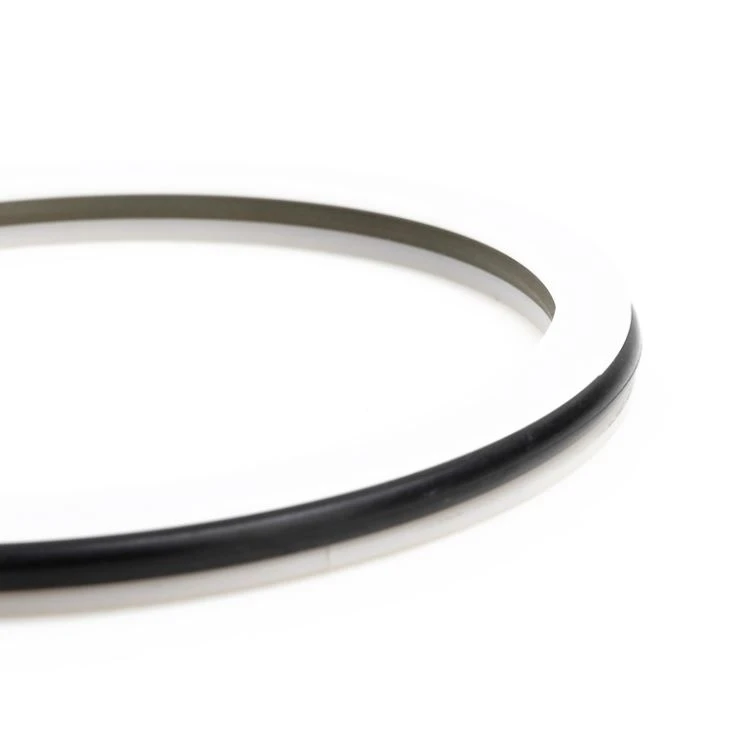
Choosing the Right Lubricant
The first step in lubricating V Ring Seals is choosing the right lubricant. There are many different types of lubricants available, each with its own unique properties and benefits. When choosing a lubricant for your V Ring Seals, it's important to consider the following factors:
- Compatibility: Make sure the lubricant you choose is compatible with the material of your V Ring Seal. Some lubricants can cause the seal material to swell or degrade, which can reduce the effectiveness of the seal.
- Temperature range: Consider the operating temperature range of your equipment when choosing a lubricant. Some lubricants are designed to perform well in high-temperature environments, while others are better suited for low-temperature applications.
- Load capacity: If your equipment operates under heavy loads, you'll need a lubricant with a high load capacity. This will help to prevent the seal from being damaged or deformed under pressure.
- Environmental conditions: If your equipment is exposed to harsh environmental conditions, such as dust, dirt, or moisture, you'll need a lubricant that can provide excellent protection against these contaminants.
Once you've considered these factors, you can choose a lubricant that's best suited for your specific application. Some common types of lubricants used for V Ring Seals include:
- Mineral oils: Mineral oils are a popular choice for lubricating V Ring Seals because they're inexpensive and widely available. They offer good lubrication properties and can provide some protection against corrosion.
- Synthetic oils: Synthetic oils are more expensive than mineral oils, but they offer superior performance in terms of lubrication, temperature resistance, and oxidation stability. They're also more resistant to wear and tear, which can extend the life of your V Ring Seals.
- Greases: Greases are a thick, semi-solid lubricant that can provide excellent protection against contaminants and reduce friction between the seal and the shaft. They're often used in applications where the seal is exposed to heavy loads or harsh environmental conditions.
Preparing the Seal for Lubrication
Before you lubricate your V Ring Seals, it's important to prepare the seal and the shaft for lubrication. Here's what you need to do:
- Clean the seal and the shaft: Use a clean, dry cloth to remove any dirt, dust, or debris from the seal and the shaft. This will help to ensure that the lubricant can adhere properly to the surface of the seal and the shaft.
- Inspect the seal for damage: Check the seal for any signs of damage, such as cuts, tears, or cracks. If the seal is damaged, it should be replaced before lubrication.
- Apply a small amount of lubricant to the shaft: Apply a small amount of lubricant to the shaft where the seal will be installed. This will help to ease the installation process and prevent the seal from being damaged during installation.
Lubricating the V Ring Seal
Once you've prepared the seal and the shaft for lubrication, it's time to apply the lubricant to the V Ring Seal. Here's how to do it:
- Apply the lubricant to the lip of the seal: Use a clean, dry cloth or a small brush to apply a thin layer of lubricant to the lip of the V Ring Seal. Make sure to cover the entire lip of the seal evenly.
- Work the lubricant into the seal: Gently work the lubricant into the seal using your fingers or a small tool. This will help to ensure that the lubricant is evenly distributed throughout the seal.
- Install the seal: Once the lubricant has been applied to the seal, carefully install the seal onto the shaft. Make sure the seal is properly seated and aligned on the shaft.
Maintaining the Lubrication
After you've lubricated your V Ring Seals, it's important to maintain the lubrication to ensure that the seals continue to perform at their best. Here are some tips for maintaining the lubrication of your V Ring Seals:
- Check the lubricant level regularly: Make sure the lubricant level in your equipment is maintained at the recommended level. If the lubricant level is too low, the seals may not be properly lubricated, which can lead to premature wear and failure.
- Replace the lubricant periodically: Over time, the lubricant can break down and lose its effectiveness. It's important to replace the lubricant periodically to ensure that the seals continue to receive adequate lubrication.
- Inspect the seals regularly: Check the seals regularly for any signs of wear, damage, or leakage. If you notice any problems with the seals, it's important to address them immediately to prevent further damage to your equipment.
Conclusion
Lubricating V Ring Seals is an important part of maintaining the performance and longevity of your equipment. By choosing the right lubricant, preparing the seal and the shaft for lubrication, applying the lubricant properly, and maintaining the lubrication, you can ensure that your V Ring Seals continue to perform at their best.
If you're looking for high-quality V Ring Seals or need more information about lubricating V Ring Seals, V Ring Seal is here to help. We offer a wide range of V Ring Seals and other Rotary Compact Seals and Piston Rotary Shaft Seals to meet your specific needs. Contact us today to learn more about our products and services and to discuss your lubrication requirements.
References
- "Sealing Technology Handbook," edited by John P. Blair
- "Lubrication Fundamentals," by Bernard W. Roelands