

Hey there! As a supplier of piston rod seals, I've seen firsthand how crucial it is for these seals to perform at their best. The sealing performance of piston rod seals can make or break the efficiency and longevity of hydraulic and pneumatic systems. So, let's dive into the factors that can affect this performance.
Material Selection
One of the most significant factors is the material of the seal. Different materials have different properties, and choosing the right one is key. For instance, TPU Oil Seals are made from thermoplastic polyurethane. TPU offers excellent abrasion resistance, which is great when the piston rod is constantly moving back and forth. It can withstand a lot of wear and tear, ensuring a longer lifespan for the seal.
On the other hand, rubber materials like nitrile rubber (NBR) are known for their good oil resistance. They can work well in environments where the seal is constantly in contact with hydraulic fluids. But they might not be as good as TPU in terms of abrasion resistance. So, depending on whether your system has more issues with abrasion or oil exposure, you need to pick the right material.
Surface Finish of the Piston Rod
The surface finish of the piston rod plays a huge role too. If the rod's surface is too rough, it can damage the seal. Think of it like rubbing sandpaper against a soft material. The seal will wear out quickly, and its sealing performance will be compromised. On the flip side, if the surface is too smooth, the seal might not be able to form a proper grip.
A proper surface finish provides just the right amount of friction for the seal to hold on to the rod while still allowing for smooth movement. Manufacturers usually specify a certain surface roughness range for the piston rod to ensure optimal sealing. For example, a common range might be between 0.2 to 0.8 micrometers Ra (arithmetical mean deviation of the roughness profile).
Operating Temperature
Temperature can really mess with the sealing performance. When the temperature gets too high, some seal materials can start to soften. This makes them lose their shape and ability to seal properly. For example, rubber seals can become more pliable at high temperatures, and they might not be able to maintain the necessary pressure against the piston rod.
Conversely, in cold temperatures, the seal materials can become brittle. They might crack or break, especially if there's any sudden movement or pressure change. That's why it's important to choose a seal material that can handle the temperature range of your specific application. Some seals are designed to work in extreme temperatures, like in industrial ovens or refrigeration systems.
Pressure
The pressure in the system is another big factor. High pressure can put a lot of stress on the seal. If the pressure is too high, the seal might be forced out of its position or get damaged. For example, in a high - pressure hydraulic system, the seal needs to be able to withstand the force exerted by the fluid.
On the other hand, if the pressure is too low, the seal might not be able to form a tight enough seal. This can lead to leakage. It's a delicate balance, and the seal needs to be rated for the specific pressure range of the system. That's why Hydraulic Piston Rod Seals are designed to handle different pressure levels, from low - pressure applications to high - pressure ones.
Fluid Compatibility
The type of fluid in the system is also crucial. Different fluids can have different chemical properties, and they can react with the seal material. For example, some hydraulic fluids might be more corrosive than others. If the seal material is not compatible with the fluid, it can start to degrade.
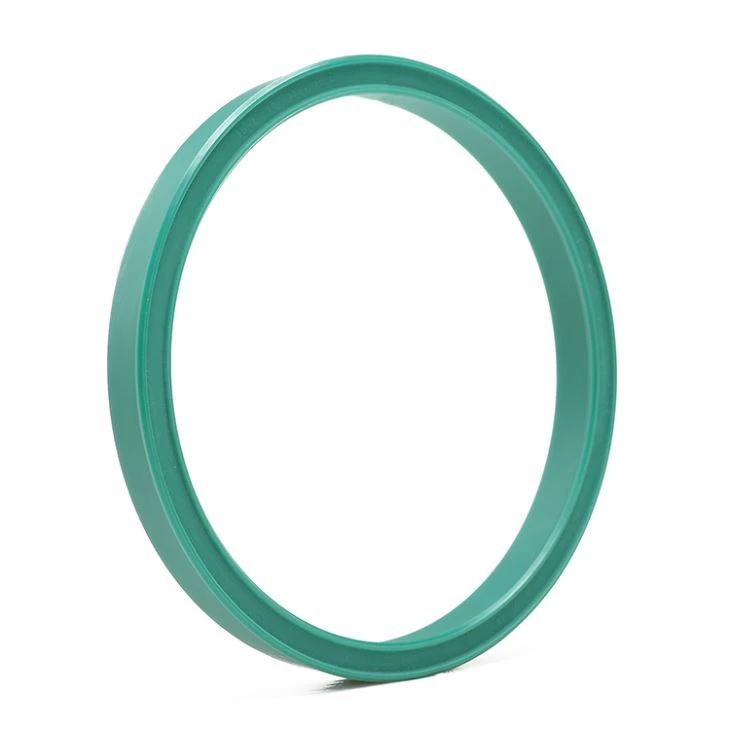

This degradation can manifest in different ways, like swelling, cracking, or losing its elasticity. So, before choosing a seal, you need to know what kind of fluid will be in contact with it. Make sure the seal material is chemically compatible with the fluid to ensure long - term sealing performance.
Installation
How the seal is installed matters a great deal. If it's not installed correctly, it can lead to all sorts of problems. For example, if the seal is not centered properly on the piston rod, it might not seal evenly. This can cause leakage on one side of the rod.
Also, during installation, if there are any scratches or nicks on the seal, it can compromise its sealing ability. That's why it's important to follow the proper installation procedures. Sometimes, special tools are required to install the seal correctly, especially in tight spaces or for complex seal designs like Reciprocating Vee Packing Seals V Ring Sets.
Wear and Tear
Over time, all seals will experience wear and tear. The constant movement of the piston rod against the seal, along with the exposure to fluids and other elements, will gradually take a toll on the seal. The rate of wear depends on a lot of the factors we've already discussed, like the material, surface finish, temperature, and pressure.
Regular maintenance and inspection are essential to catch any signs of wear early. If you notice that the seal is starting to wear out, it's important to replace it before it fails completely. This can prevent costly downtime and damage to the system.
Contamination
Contamination in the system can also affect the sealing performance. Dirt, dust, and other particles can get into the system and damage the seal. These particles can act like abrasives, wearing down the seal surface. They can also get trapped between the seal and the piston rod, preventing a proper seal.
To prevent contamination, it's important to have proper filtration systems in place. Regularly changing the filters can help keep the fluid clean and reduce the risk of damage to the seal.
In conclusion, there are many factors that can affect the sealing performance of piston rod seals. As a supplier, we understand the importance of all these factors, and we're here to help you choose the right seal for your specific application. Whether you need a seal that can handle high temperatures, high pressures, or specific fluids, we've got you covered.
If you're in the market for piston rod seals or have any questions about how to improve the sealing performance of your system, don't hesitate to reach out. We're always happy to have a chat and help you find the best solution for your needs.
References
- "Sealing Technology Handbook" by Chris Holcombe
- "Hydraulic Seals: Design, Function, and Application" by various industry experts