

If you’ve ever operated a backhoe lifting a pallet of construction materials, a factory robot arm pressing parts, or a farm tractor adjusting its plow depth, you’ve witnessed a tiny, unassuming component doing the heavy lifting to keep that machinery moving: the rod seal. Most people don’t notice these small rings tucked inside hydraulic or pneumatic cylinders, but their function is non-negotiable—without them, entire industrial lines, construction sites, and farm operations would grind to a halt. As a rod seal supplier who’s worked with engineers, maintenance teams, and machine operators for over a decade, I’ve seen first-hand how a single rod seal can make or break a project, and I’m here to break down exactly what these parts do, why their function matters, and how choosing the right rod seal (like the ones we specialize in) can save you time, money, and downtime.
At its core, the function of a rod seal is deceptively simple: to contain pressurized fluid (usually hydraulic oil or compressed air) inside a cylinder while preventing external contaminants from entering and internal lubricants from leaking out. But to understand why that function is so critical, you have to look at how hydraulic and pneumatic systems work. These systems rely on pressure differentials to generate force: when a pump pushes fluid into one side of a cylinder, the pressure pushes a piston and its attached rod outward to move a load. The rod extends out of the cylinder barrel, so there’s a gap between the moving rod and the stationary cylinder housing. That gap is an opening that, left unprotected, would let pressurized fluid spray out (causing lost efficiency and safety risks) and let dirt, dust, water, or metal shavings seep in (causing wear, corrosion, and catastrophic system failure). That’s where the rod seal comes in—it acts as a dynamic barrier, sealing that gap even as the rod moves back and forth thousands of times per minute.
But rod seals aren’t one-size-fits-all, and their function shifts slightly depending on the type of system they’re used in, as well as the operating conditions. For example, in high-pressure hydraulic systems used in mining equipment or heavy construction, rod seals have to withstand pressures up to 10,000 PSI, extreme temperatures, and exposure to abrasive debris. In low-pressure pneumatic systems used in packaging lines or lab equipment, they need to handle rapid, frequent rod cycles and minimize friction to keep energy costs low. That’s why selecting the right rod seal design is as important as understanding its basic function. Let’s break down the key roles rod seals play, beyond just basic sealing, and how different seal types serve those roles.
First, rod seals are primary pressure seals, meaning they are the first line of defense against fluid leakage in the cylinder’s rod side. Unlike piston seals, which seal the space between the piston and the cylinder barrel to control force on both sides of the piston, rod seals are mounted on the cylinder’s rod gland (the opening where the rod exits) to seal the outer side of the piston rod. That means they have to create a tight, flexible barrier that conforms to the rod’s surface, even when the rod is moving at high speeds or has slight surface imperfections (like minor scratches from manufacturing or use). Over time, repeated friction against the rod’s hard-chrome plated surface can wear a seal down, which is why many rod seals are paired with wear bands—components like our Rod Glyd Rings, which we offer at /rod-seals/rod-glyd-rings.html—to distribute load and reduce friction between moving parts. I’ve seen countless cylinder failures because engineers skipped adding wear bands, assuming a rod seal would handle all the load, only to find the seal wore through in months instead of years.
A second critical function of rod seals is contamination exclusion, often called a wiper function. Wait, hold on—sometimes people confuse rod seals with rod wipers, but they work in tandem. Rod wipers are the outermost component of the cylinder’s gland, scraping dirt and debris off the rod as it retracts, so it never reaches the inner seals. But the primary rod seal does its part by preventing any contaminants that slip past the wiper from entering the cylinder’s internal components, as well as preventing external air (or water, in marine applications) from mixing with the hydraulic fluid. This is especially vital in industries like agriculture, where tractors operate in dusty, muddy fields, or construction, where concrete dust and gravel are constant threats. If a rod seal fails to stop contaminants, those particles can act like sandpaper against the rod’s surface, causing grooves that make leakage worse and can even damage the entire cylinder.
Third, rod seals control friction and energy efficiency. In an era where industrial operators are focused on reducing energy costs, every bit of friction in a hydraulic system adds up to wasted power. A good rod seal is designed to have a precise contact pressure with the rod—not so tight that it creates excessive friction and heat, which breaks down the seal and the fluid, but not so loose that it leaks. This is where specialized seal materials and designs make a huge difference. For example, our Piston Rod U Seals, available at /piston-rod-seals/piston-rod-u-seals.html, are made with high-grade elastomers that balance flexibility and wear resistance, making them ideal for systems that require smooth, consistent movement. I remember working with a packaging plant that was using generic rod seals for their case erector lines, and they were seeing 15% higher energy usage than they should. After switching to our U seals, they cut that energy use by 11% and extended seal life by 8 months—all just by improving the friction performance of their rod seals.
Another function of rod seals that’s often overlooked is pressure balancing and shock absorption. Hydraulic systems experience pressure spikes, called pressure shocks, when a load suddenly stops moving—like when a backhoe bucket slams into the ground, creating a jolt that can send pressure surges through the cylinder. A quality rod seal is engineered to handle these spikes, rather than failing under the sudden force. Seals that can’t balance pressure surges will leak or rupture, leading to unplanned downtime that can cost thousands of dollars per hour in heavy industry. Our Rod Compact Rings, found at /rod-seals/rod-compact-rings.html, are designed for high-pressure applications, with a compact profile that can withstand pressure spikes up to 15,000 PSI, making them perfect for heavy construction and mining equipment.
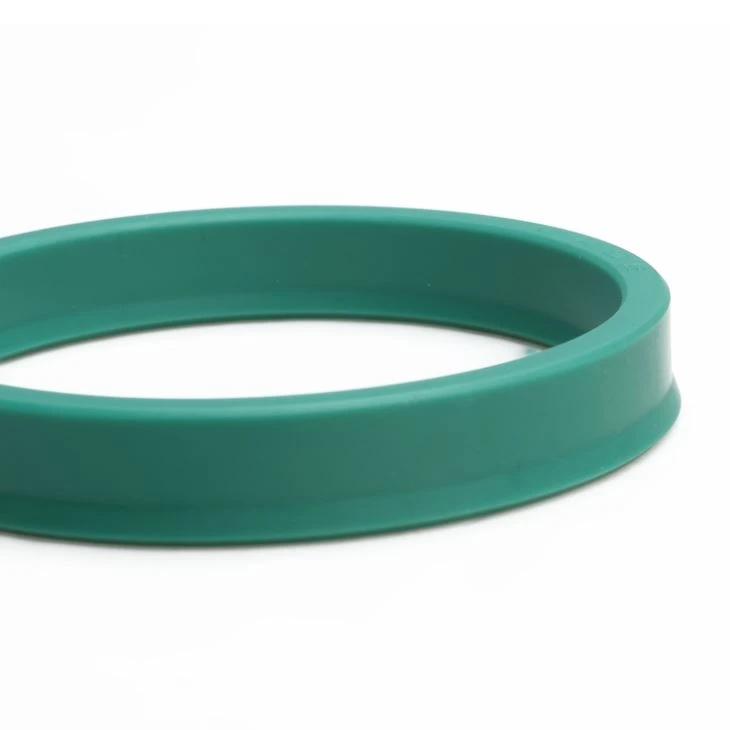

Now, let’s talk about what happens when rod seals don’t perform their function. I’ve seen the damage first-hand. A few years ago, we worked with a wind turbine manufacturer that was seeing repeated cylinder failures in their pitch control systems. The turbines were located in remote mountainous areas, so replacing a single seal required sending a crew and a crane, costing over $20,000 per repair. The issue? They were using standard rod seals that couldn’t handle the extreme temperature swings (from -40°F in winter to 120°F in summer) and the high vibration of turbine operation. The seals hardened in cold weather, leading to leakage, and softened in heat, leading to wear. Once we switched them to our TPU Oil Seals at /piston-rod-seals/tpu-oil-seals.html, which are made from thermoplastic polyurethane that’s resistant to temperature extremes and abrasion, their seal life went from 6 months to over 3 years, cutting their maintenance costs by 80%. That’s the real impact of rod seal function—it’s not just about a small part working; it’s about keeping entire operations running.
So, how do you ensure your rod seals are fulfilling their function properly? First, start by matching the seal design and material to your application. If you’re in a low-dust, low-pressure pneumatic line, a standard rubber rod seal might work fine. But if you’re in a high-pressure hydraulic system in a dirty, high-vibration environment, you’ll need a seal that’s resistant to abrasion, temperature, and pressure spikes, paired with wear bands to extend its life. That’s where resources like our Rod Sealing page at /rod-seals/rod-sealing.html come in handy—we have application guides, material specifications, and case studies to help you choose the right seal for your needs, no matter how unique your operation is.
Another key factor is installation. Even the best rod seal will fail prematurely if it’s installed incorrectly. Common mistakes include nicking the seal during installation, not lubricating the seal before putting it on, or not seating it properly in the gland groove. We always recommend having experienced technicians install rod seals, but we also provide detailed installation guides with every seal we sell, to minimize human error. I once had a customer who installed a new rod seal on their excavator’s boom cylinder in the field, and nicked the seal edge on a sharp edge of the cylinder housing. The seal leaked within a week, and they blamed the seal quality—until they showed us photos, and we saw the installation damage. A quick re-installation with a lubricated seal and careful handling fixed the issue.
As a rod seal supplier, my goal isn’t just to sell you a part—it’s to make sure that part functions as it’s supposed to, protecting your equipment, reducing your costs, and keeping your operations running smoothly. I’ve been in this industry long enough to know that when it comes to hydraulic and pneumatic systems, every component matters, and rod seals are one of the most underrated critical parts. They work quietly, day in and day out, to keep fluid in, contaminants out, and pressure consistent—so you can focus on your work, not on fixing broken cylinders.
If you’re dealing with seal leaks, unexpected downtime, or just want to upgrade your rod seals to improve performance and reduce costs, we’re here to help. We work with everyone from small farm operations to large industrial manufacturers, providing custom seal solutions, technical support, and high-quality parts designed to meet the toughest demands. Whether you need standard rod seals, specialized designs for extreme conditions, or wear bands to extend seal life, we have the expertise and products to fit your needs. Reach out to our team to discuss your rod seal requirements and find the right solution for your application.
References:
- Hydraulic Seals and Sealing Systems. (n.d.). Fluid Power Distributors Association.
- Sealing Technology Handbook. (2021). Society of Tribologists and Lubrication Engineers.
- Rod Seal Performance in Industrial Hydraulic Systems. (2019). Industrial Maintenance and Plant Operations Magazine.
- Thermoplastic Elastomers for High-Pressure Sealing Applications. (2022). Journal of Tribology.