

Can O Rings be used in cryogenic applications?
As a seasoned supplier of O rings, I often encounter inquiries regarding the suitability of O rings for cryogenic applications. Cryogenic environments, characterized by extremely low temperatures typically below -150°C (-238°F), present unique challenges that demand careful consideration when selecting sealing solutions. In this blog post, I'll delve into the intricacies of using O rings in cryogenic applications, exploring the factors that influence their performance and the types of O rings best suited for these extreme conditions.
Understanding the Challenges of Cryogenic Environments
Cryogenic temperatures have a profound impact on the physical properties of materials. As the temperature drops, most elastomers become stiffer and less flexible, losing their ability to maintain a proper seal. This phenomenon, known as cold hardening, can lead to leaks and seal failure, compromising the integrity of the system. Additionally, cryogenic environments may expose O rings to rapid temperature changes, which can cause thermal shock and further exacerbate the risk of failure.
Another challenge in cryogenic applications is the presence of cryogenic fluids, such as liquid nitrogen, liquid oxygen, and liquefied natural gas (LNG). These fluids can have a corrosive effect on certain elastomers, causing them to swell, crack, or degrade over time. Therefore, it's crucial to select O rings made from materials that are resistant to the specific cryogenic fluids present in the application.
Factors Affecting O Ring Performance in Cryogenic Applications
Several factors influence the performance of O rings in cryogenic applications, including material selection, design, and installation. Let's take a closer look at each of these factors:
Material Selection
The choice of material is perhaps the most critical factor when it comes to using O rings in cryogenic applications. Different elastomers have different temperature ratings and chemical resistances, so it's essential to select a material that can withstand the specific conditions of the application. Some of the most common materials used for cryogenic O rings include:
- Viton®: Viton® is a fluorocarbon elastomer known for its excellent chemical resistance and high-temperature performance. It also has good low-temperature flexibility, making it suitable for use in cryogenic applications down to approximately -20°C (-4°F). However, Viton® may not be the best choice for applications involving certain cryogenic fluids, such as liquid oxygen, which can react with the fluorine in the material.
- Silicone: Silicone elastomers have excellent low-temperature flexibility and can maintain their sealing properties at temperatures as low as -100°C (-148°F). They are also resistant to a wide range of chemicals, making them a popular choice for cryogenic applications. However, silicone O rings may have relatively low tear strength and may not be suitable for applications with high pressures or dynamic sealing requirements.
- Neoprene: Neoprene is a synthetic rubber with good resistance to ozone, weathering, and chemicals. It has a lower temperature limit than Viton® and silicone, typically around -40°C (-40°F), but it is still suitable for many cryogenic applications. Neoprene O rings are often used in applications where cost is a concern or where the temperature requirements are not as extreme.
- PTFE (Polytetrafluoroethylene): PTFE is a high-performance polymer known for its excellent chemical resistance, low friction, and wide temperature range. It can be used in cryogenic applications down to -268°C (-450°F), making it one of the best materials for extreme low-temperature environments. However, PTFE O rings are relatively rigid and may require special design considerations to ensure proper sealing.
In addition to these materials, there are also specialty elastomers and composite materials available that are specifically designed for cryogenic applications. These materials offer enhanced performance and durability in extreme low-temperature environments but may come at a higher cost.
Design
The design of the O ring also plays a crucial role in its performance in cryogenic applications. In general, O rings with a larger cross-sectional diameter and a lower compression ratio are more suitable for cryogenic applications. This is because a larger cross-sectional diameter provides more material to compensate for the shrinkage that occurs at low temperatures, while a lower compression ratio helps to reduce the stress on the O ring and prevent cold hardening.

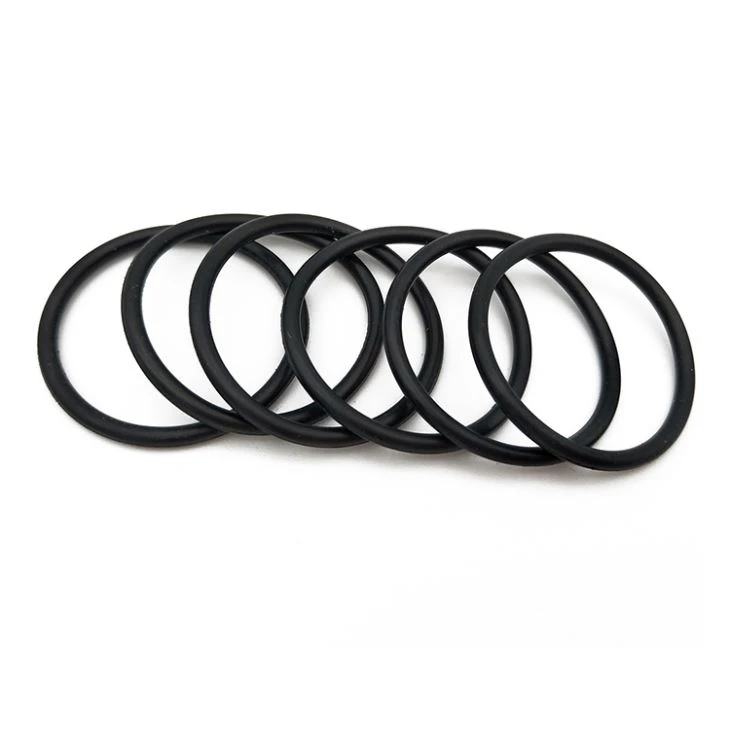
Another important design consideration is the use of backup rings. Backup rings are used to prevent extrusion of the O ring under high pressures and to improve its sealing performance. In cryogenic applications, backup rings made from materials such as PTFE or polyetheretherketone (PEEK) are often used because they have good low-temperature properties and are resistant to the cryogenic fluids. You can find more information about Hydraulic Teflon Back-up Rings BRT on our website.
Installation
Proper installation is essential to ensure the performance and longevity of O rings in cryogenic applications. When installing O rings, it's important to follow the manufacturer's guidelines and use the appropriate tools and techniques. Here are some general installation tips for cryogenic O rings:
- Clean the mating surfaces: Before installing the O ring, make sure the mating surfaces are clean and free of any debris, oil, or grease. This will help to ensure a proper seal and prevent contamination of the cryogenic fluid.
- Lubricate the O ring: Applying a thin layer of lubricant to the O ring can help to reduce friction during installation and prevent damage to the material. However, it's important to use a lubricant that is compatible with the O ring material and the cryogenic fluid.
- Avoid over-compression: Over-compression of the O ring can cause it to deform or crack, leading to seal failure. Make sure to use the correct compression ratio and avoid applying excessive force during installation.
- Check for proper seating: After installing the O ring, check to make sure it is properly seated in the groove and that there are no gaps or uneven areas. This will help to ensure a tight seal and prevent leaks.
Types of O Rings for Cryogenic Applications
Based on the factors discussed above, here are some of the types of O rings that are commonly used in cryogenic applications:
Nitrile Rubber O Rings
Nitrile rubber (NBR) O rings are a popular choice for cryogenic applications due to their good resistance to oil, fuel, and other chemicals. They have a relatively low temperature limit of around -40°C (-40°F), but they are still suitable for many cryogenic applications where the temperature requirements are not as extreme. Nitrile Rubber O Rings are also relatively inexpensive and widely available, making them a cost-effective option for many applications.
Spring Energized Seals
Spring energized seals are a type of O ring that uses a metal spring to provide additional sealing force. These seals are designed to maintain their sealing properties at low temperatures and high pressures, making them suitable for cryogenic applications. Spring energized seals can be made from a variety of materials, including PTFE, Viton®, and silicone, and they are available in a range of designs and sizes to meet the specific requirements of the application. You can learn more about Spring Energized Axial Seals For External Pressure on our website.
Composite O Rings
Composite O rings are made by combining two or more materials to achieve the desired properties. For example, a composite O ring may consist of a core made from a soft elastomer, such as silicone or neoprene, surrounded by a jacket made from a more rigid material, such as PTFE or PEEK. This design allows the O ring to have both good low-temperature flexibility and high chemical resistance, making it suitable for cryogenic applications.
Conclusion
In conclusion, O rings can be used in cryogenic applications, but careful consideration must be given to material selection, design, and installation to ensure their performance and reliability. By choosing the right O ring material, designing the seal properly, and following the correct installation procedures, you can minimize the risk of seal failure and ensure the integrity of your cryogenic system.
If you're looking for high-quality O rings for cryogenic applications, we're here to help. As a leading supplier of O rings, we offer a wide range of materials and designs to meet the specific requirements of your application. Our team of experts can also provide you with technical support and advice to help you select the best O ring for your needs. Contact us today to discuss your cryogenic sealing requirements and to learn more about our products and services.
References
- "Sealing Technology Handbook," edited by Heinz P. Bloch and Fred K. Geitner
- "Elastomers and Their Sealing Applications," by Michael B. Rodgers
- "Cryogenic Engineering," by Richard W. Swift and Marshall F. Bartlett