

Can Piston Rod Seals Be Used in Food - Grade Applications?
In the landscape of industrial components, piston rod seals play a pivotal role in countless machinery and equipment. As a dedicated piston rod seals supplier, I often encounter inquiries regarding the suitability of these seals for food - grade applications. This blog aims to delve into this topic comprehensively, exploring the technical aspects, regulatory requirements, and practical considerations.
Understanding Piston Rod Seals
Piston rod seals are essential elements in hydraulic and pneumatic systems. Their primary function is to prevent the leakage of fluids, such as hydraulic oil or air, from the cylinder while also keeping contaminants out. There are various types of piston rod seals available, each designed to meet specific performance requirements. For instance, Hydraulic Piston Rod Seals are engineered to withstand high pressures and ensure smooth operation in hydraulic cylinders. These seals are typically made from materials like polyurethane, nitrile rubber, or fluorocarbon rubber, which offer excellent wear resistance and sealing properties.
Another type is the Reciprocating Vee Packing Seals V Ring Sets. These are often used in applications where a reliable sealing solution is required for reciprocating motion. The V - ring design allows for effective sealing under different operating conditions, including high - speed reciprocation and varying pressures.
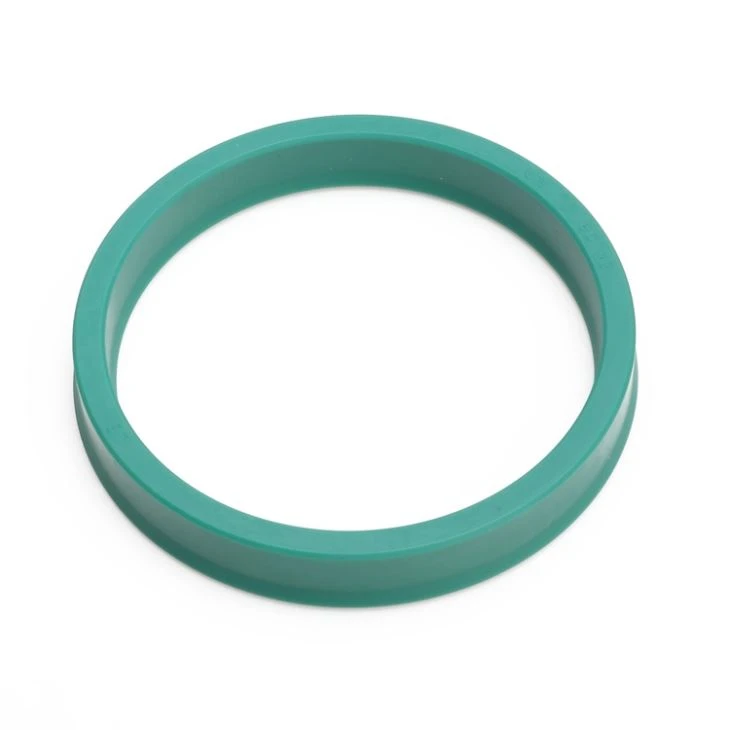
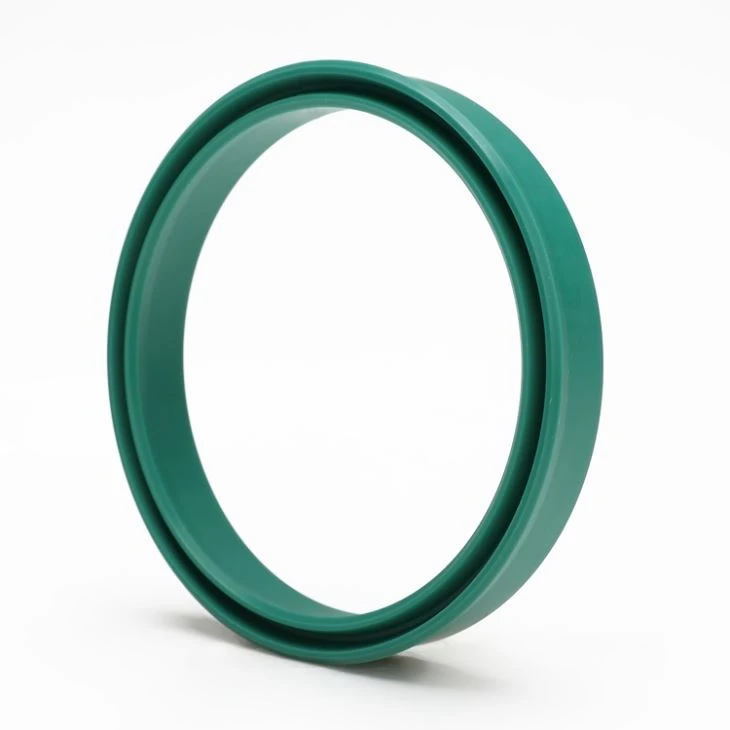
Piston Rod U Seals are also popular. They are named for their U - shaped cross - section and are known for their ability to provide a tight seal around the piston rod. These seals are commonly used in applications where low friction and long - term durability are essential.
Requirements for Food - Grade Applications
Food - grade applications have stringent requirements to ensure the safety and quality of food products. When it comes to piston rod seals used in such applications, several key factors need to be considered.
Material Compatibility: The materials used in food - grade piston rod seals must be non - toxic and inert. They should not release any harmful substances that could contaminate the food. Common materials for food - grade seals include silicone rubber, ethylene propylene diene monomer (EPDM), and fluorosilicone rubber. These materials are approved by regulatory bodies such as the Food and Drug Administration (FDA) in the United States and the European Union's food contact regulations.
Cleanability: Seals in food - grade applications need to be easy to clean. They should not have any crevices or rough surfaces where food particles or bacteria can accumulate. Smooth surfaces and proper design features are essential to facilitate thorough cleaning and prevent the growth of microorganisms.
Resistance to Food - Related Substances: Piston rod seals must be resistant to various food - related substances, such as oils, fats, acids, and alkalis. Different types of food products have different chemical compositions, and the seals need to maintain their integrity and sealing performance when in contact with these substances.
Can Standard Piston Rod Seals Be Used?
Standard piston rod seals, which are designed for general industrial applications, are usually not suitable for food - grade applications. The materials used in standard seals may not meet the strict requirements for food safety. For example, some standard seals may be made from materials that contain plasticizers or other additives that can leach into the food and pose a health risk.
In addition, standard seals may not have the necessary cleanability features. Their surface finishes may be too rough, and their designs may have areas where food debris can get trapped, making it difficult to clean them effectively.
However, it is possible to develop piston rod seals specifically for food - grade applications. By using approved food - grade materials and designing the seals with cleanability in mind, manufacturers can produce seals that meet the requirements of the food industry.
Developing Food - Grade Piston Rod Seals
As a piston rod seals supplier, we have the expertise and resources to develop food - grade seals. Our R & D team works closely with food industry experts to understand the specific requirements and challenges of food - grade applications.
We start by selecting the appropriate food - grade materials. For example, silicone rubber is a popular choice due to its excellent resistance to high temperatures, good flexibility, and low toxicity. EPDM is also used for its resistance to water, steam, and many chemicals commonly found in food processing.
In terms of design, we focus on creating seals with smooth surfaces and simple geometries. This reduces the risk of food accumulation and makes the seals easier to clean. We also conduct rigorous testing to ensure that the seals meet the required standards for food safety and performance.
Real - World Applications
Food - grade piston rod seals are used in a wide range of food processing equipment. In dairy processing, for example, seals are used in milk pumps and filling machines. These seals need to be resistant to milk proteins, fats, and cleaning agents. In the meat processing industry, piston rod seals are used in equipment such as meat grinders and slicers. They must be able to withstand contact with meat juices, blood, and cleaning chemicals.
In the beverage industry, seals are used in bottling and canning equipment. They need to be resistant to carbonated beverages, acids, and sanitizing agents. In all these applications, the use of high - quality food - grade piston rod seals is crucial to ensure the safety and quality of the final food products.
Regulatory Compliance
Compliance with food safety regulations is of utmost importance when supplying piston rod seals for food - grade applications. In the United States, the FDA has established regulations for materials that come into contact with food. These regulations specify the acceptable materials, their composition, and the maximum allowable levels of migration of substances into the food.
In the European Union, the European Food Safety Authority (EFSA) and national authorities have similar regulations. Suppliers need to ensure that their food - grade piston rod seals comply with these regulations to avoid legal issues and to provide their customers with products that meet the highest standards of food safety.
Advantages of Using Our Food - Grade Piston Rod Seals
As a piston rod seals supplier, we offer several advantages when it comes to food - grade seals. Our seals are made from high - quality, FDA - approved materials, ensuring the safety of your food products. We have a strict quality control system in place to ensure that each seal meets the required specifications.
Our R & D capabilities allow us to customize seals according to your specific application requirements. Whether you need a seal for a high - pressure food processing system or a low - friction application, we can develop a solution that meets your needs.
In addition, we provide excellent customer service. Our team of experts is available to answer your questions, provide technical support, and assist you in selecting the right seals for your food - grade applications.
Contact Us for Your Food - Grade Piston Rod Seal Needs
If you are in the food processing industry and are looking for reliable food - grade piston rod seals, we invite you to contact us. Our team of professionals is ready to discuss your specific requirements and provide you with the best sealing solutions. We can offer samples for testing and work with you to ensure that our seals meet your expectations in terms of performance, safety, and compliance.
We understand the importance of food safety and are committed to providing high - quality products that meet the strictest industry standards. Whether you are a small - scale food producer or a large - scale food processing company, we have the expertise and resources to serve you.
References
- "Food Contact Materials: Regulations and Compliance" - A comprehensive guide on food safety regulations for materials in contact with food.
- "Sealing Technology Handbook" - A technical reference book on various types of seals, including piston rod seals.
- Industry research reports on food processing equipment and the use of seals in the food industry.