

In the realm of hydraulic and pneumatic systems, piston rod seals play a pivotal role in ensuring the efficient and reliable operation of various machinery. These seals are tasked with a challenging job: handling dynamic loads while maintaining a tight seal to prevent fluid leakage. As a leading piston rod seals supplier, I have witnessed firsthand the importance of these components and the engineering marvels behind their design and performance.
Understanding Dynamic Loads
Dynamic loads refer to the forces that change over time, such as those experienced by piston rods during the reciprocating motion in hydraulic cylinders. These loads can be influenced by factors like pressure fluctuations, vibration, and the speed of the piston rod. For instance, in heavy - duty construction equipment, the piston rods are subjected to high - pressure surges when the machinery is lifting or moving large loads. In automotive applications, the piston rods in shock absorbers face rapid changes in load as the vehicle traverses uneven terrain.
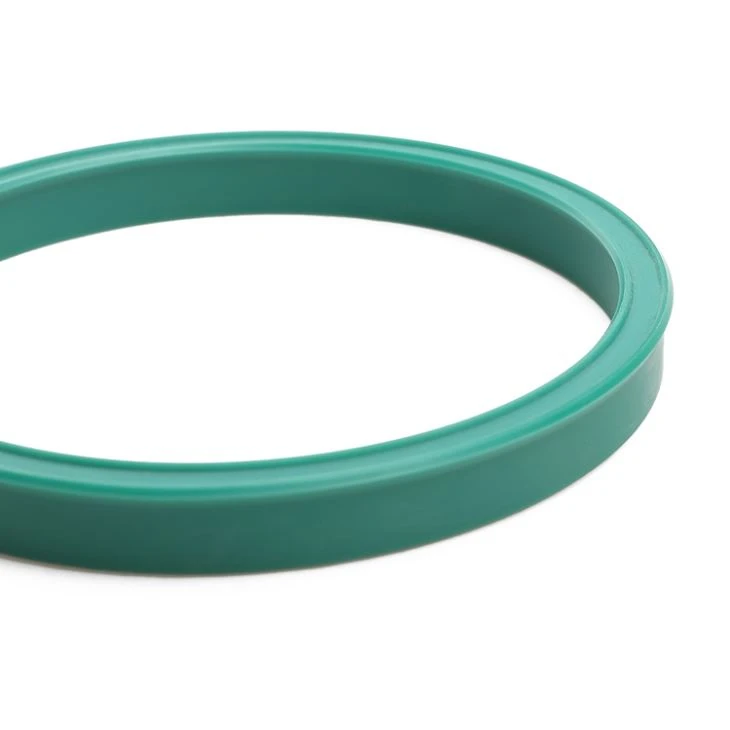
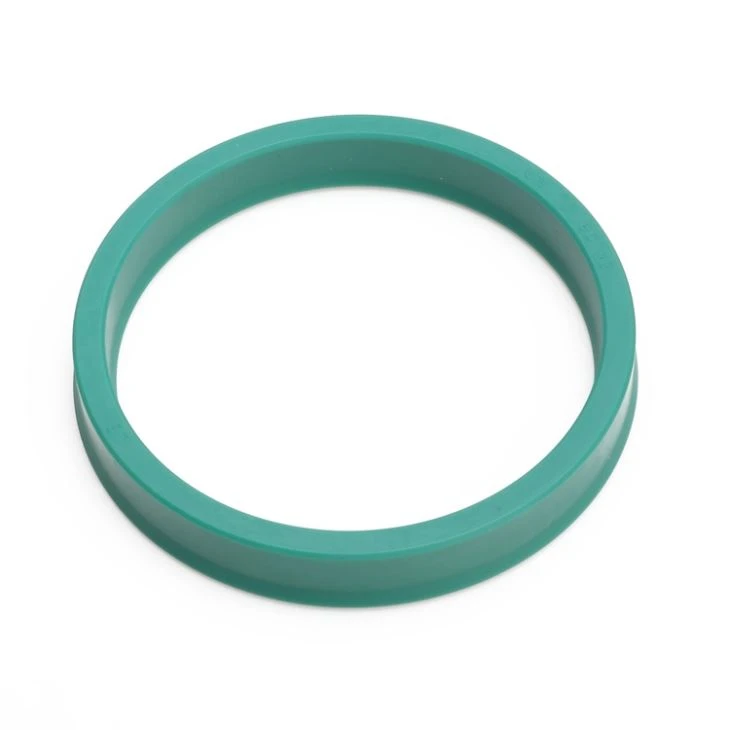
The ability of piston rod seals to handle these dynamic loads is crucial. If a seal fails to withstand the dynamic forces, it can lead to fluid leakage, which not only reduces the efficiency of the system but can also cause damage to other components. Moreover, in some applications such as aerospace and medical devices, fluid leakage can have severe safety implications.
Design Features for Handling Dynamic Loads
Material Selection
One of the key factors in a piston rod seal's ability to handle dynamic loads is the choice of material. Different materials offer different properties, and selecting the right one depends on the specific application requirements. For example, TPU Oil Seals made from thermoplastic polyurethane (TPU) are known for their excellent abrasion resistance and high - flexibility. TPU can withstand repeated friction against the piston rod during its reciprocating motion, which is common in dynamic load scenarios.
Another popular material is nitrile rubber (NBR). NBR seals are cost - effective and have good resistance to oil and fuel. They can handle moderate dynamic loads and are widely used in automotive and general industrial applications. For high - temperature and high - pressure applications, materials like fluorocarbon rubber (FKM) are preferred. FKM seals can maintain their integrity under extreme conditions, making them suitable for applications in the chemical and aerospace industries.
Lip Design
The lip design of a piston rod seal is also critical for handling dynamic loads. A well - designed lip can adapt to the movement of the piston rod and maintain a proper seal. Most piston rod seals have a primary sealing lip and a secondary dust - excluding lip. The primary lip is responsible for preventing fluid leakage, while the secondary lip keeps dirt and debris away from the system.
For dynamic load applications, the primary lip is often designed with a specific cross - section and angle. A tapered lip design can provide better contact pressure against the piston rod, ensuring a tight seal even when the rod is moving. Some advanced lip designs also incorporate features like a pressure - activated lip, which can adjust its sealing force according to the pressure inside the cylinder.
Reinforcement
To enhance the ability of piston rod seals to handle dynamic loads, reinforcement is often used. Reinforcing elements such as metal inserts or fabric layers can increase the mechanical strength of the seal. For example, a metal - reinforced seal can better resist deformation under high - pressure and high - speed conditions. The reinforcement provides additional support to the seal, preventing it from being extruded or damaged during the reciprocating motion of the piston rod.
Performance Testing
As a piston rod seals supplier, we understand the importance of ensuring the performance of our products under dynamic loads. We conduct a series of performance tests to evaluate the seals' ability to handle different types of dynamic loads.
Pressure Cycling Tests
Pressure cycling tests are used to simulate the pressure fluctuations that piston rod seals may encounter in real - world applications. In these tests, the seal is installed in a test rig, and the pressure inside the cylinder is cycled between a minimum and a maximum value. The test duration can range from a few hours to several days, depending on the application requirements. By monitoring the leakage rate and the condition of the seal during the test, we can assess its performance under dynamic pressure loads.
Speed and Vibration Tests
Speed and vibration tests are also crucial for evaluating the performance of piston rod seals under dynamic loads. In speed tests, the piston rod is moved at different speeds to simulate the varying motion in different applications. The seal's ability to maintain a proper seal at high speeds is then measured. Vibration tests, on the other hand, introduce vibrations to the test rig to mimic the vibration that the seal may experience in machinery. These tests help us understand how the seal behaves under complex dynamic conditions.
Applications and Case Studies
Hydraulic Systems in Construction Equipment
In construction equipment such as excavators and cranes, Hydraulic Piston Rod Seals are subjected to extremely high dynamic loads. The piston rods in these machines are responsible for lifting and moving heavy loads, which results in high - pressure surges and rapid changes in load. Our piston rod seals, made from high - performance materials with advanced designs, have been successfully used in many construction equipment applications. For example, in a large - scale excavator project, our seals were able to withstand the high - pressure and high - speed operation for an extended period, reducing maintenance costs and improving the overall efficiency of the equipment.
Pneumatic Systems in Automotive Industry
In the automotive industry, piston rod seals are widely used in pneumatic systems such as air suspension and braking systems. These systems require seals that can handle dynamic loads caused by the vehicle's movement and the operation of the pneumatic components. Piston Rod U Seals are commonly used in these applications due to their excellent sealing performance and ability to adapt to the dynamic motion of the piston rod. Our piston rod U seals have been integrated into many automotive models, providing reliable sealing solutions and contributing to the safety and performance of the vehicles.
Contact for Procurement
If you are in need of high - quality piston rod seals that can handle dynamic loads, we are here to help. Our team of experts can provide you with professional advice on material selection, seal design, and application - specific solutions. Whether you are in the construction, automotive, aerospace, or any other industry, we have the right piston rod seals for your needs. Contact us today to start a procurement discussion and find the perfect sealing solution for your dynamic load applications.
References
- "Sealing Technology Handbook" by John H. Birkle
- "Hydraulic and Pneumatic Seals: Principles and Applications" by Klaus - Dieter Haehnichen
- Industry standards and research papers on piston rod seal performance under dynamic loads