

Hey there! As a supplier of piston rod seals, I've seen firsthand how crucial these little components are in handling shock loads. In this blog, I'm gonna break down how piston rod seals deal with those sudden jolts and why it matters in various applications.
What Are Shock Loads?
First things first, let's talk about what shock loads actually are. Shock loads are sudden, intense forces that are applied to a system over a short period. They can happen in all sorts of situations, like when a hydraulic cylinder rapidly stops or starts, or when there's an impact in a mechanical system. These loads can be a real headache for equipment, causing damage, wear, and even system failures if not properly managed.
How Piston Rod Seals Come into Play
Piston rod seals are designed to keep the hydraulic fluid inside the cylinder and prevent contaminants from getting in. But they also have to handle the shock loads that come with the operation of the equipment. When a shock load hits, the seal has to maintain its integrity and continue to perform its sealing function.
One of the key ways piston rod seals handle shock loads is through their material properties. Different materials have different levels of flexibility, hardness, and resilience, which all play a role in how well they can withstand sudden forces. For example, TPU Oil Seals are made from thermoplastic polyurethane, which is known for its high abrasion resistance and excellent elasticity. This means that they can stretch and deform under a shock load and then return to their original shape, maintaining a good seal.

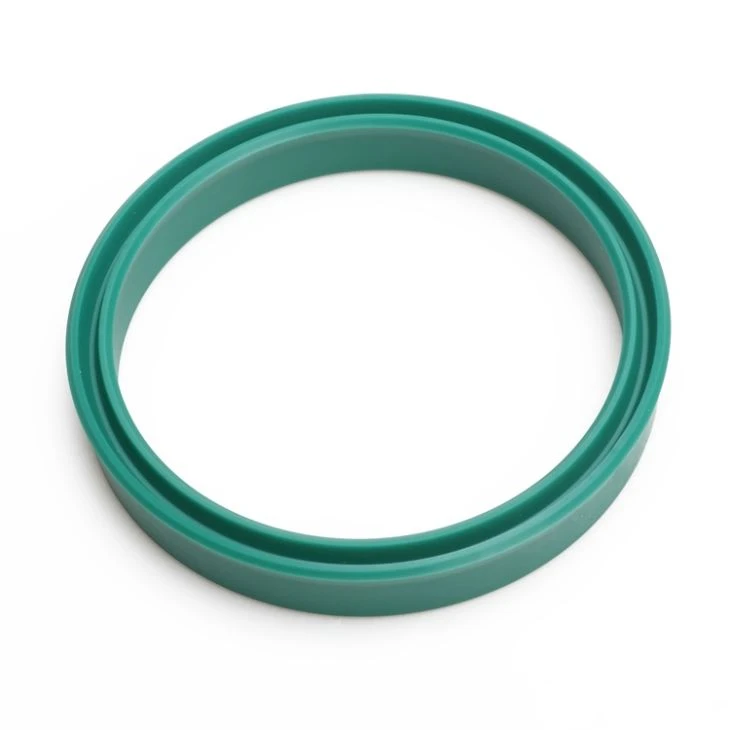
Another important factor is the design of the seal. Piston rod seals come in various shapes and sizes, and each design is optimized for different applications and operating conditions. Piston Rod U Seals, for instance, have a U-shaped cross-section that provides a good balance between sealing performance and flexibility. The shape allows the seal to conform to the rod surface and adapt to changes in pressure and temperature, which is especially important when dealing with shock loads.
The Role of Hydraulic Pressure
Hydraulic pressure also plays a significant role in how piston rod seals handle shock loads. When a shock load occurs, the hydraulic pressure inside the cylinder can spike suddenly. The seal has to be able to withstand this increase in pressure without leaking or failing. Hydraulic Piston Rod Seals are specifically designed to handle high-pressure applications and are often made from materials that can resist the effects of pressure and temperature changes.
In addition to withstanding the pressure spike, the seal also has to prevent the hydraulic fluid from escaping. If the fluid leaks out, it can cause a loss of pressure and reduce the efficiency of the system. This is why proper installation and maintenance of the seals are so important. A well-installed seal will be able to maintain its sealing performance even under high-pressure conditions.
Testing and Quality Control
To ensure that our piston rod seals can handle shock loads effectively, we conduct rigorous testing and quality control procedures. We use advanced testing equipment to simulate real-world operating conditions and measure the performance of the seals under different types of shock loads. This allows us to identify any potential issues and make improvements to the design and material of the seals.
We also work closely with our customers to understand their specific requirements and applications. By doing so, we can recommend the most suitable seals for their needs and provide them with the technical support they need to ensure proper installation and maintenance.
Why It Matters
So, why does it matter that piston rod seals can handle shock loads? Well, for starters, it can significantly extend the lifespan of the equipment. When a seal fails due to a shock load, it can cause damage to other components in the system, leading to costly repairs and downtime. By using high-quality seals that can withstand shock loads, you can reduce the risk of equipment failure and keep your operations running smoothly.
In addition, proper seal performance can also improve the efficiency of the system. When a seal is able to maintain a good seal under all operating conditions, it can prevent fluid leakage and ensure that the hydraulic system is operating at its optimal level. This can result in energy savings and improved productivity.
Conclusion
In conclusion, piston rod seals play a crucial role in handling shock loads in hydraulic systems. Through their material properties, design, and ability to withstand hydraulic pressure, they are able to maintain their sealing performance even under the most demanding conditions. As a supplier of piston rod seals, we are committed to providing our customers with high-quality products that can meet their specific needs and help them overcome the challenges of shock loads.
If you're in the market for piston rod seals or have any questions about how they can handle shock loads, don't hesitate to reach out to us. We'd be happy to have a chat and discuss how we can help you find the right seals for your application.
References
- Engineering Handbook of Seals and Sealing Technology
- Hydraulic Systems Design and Maintenance Guide