

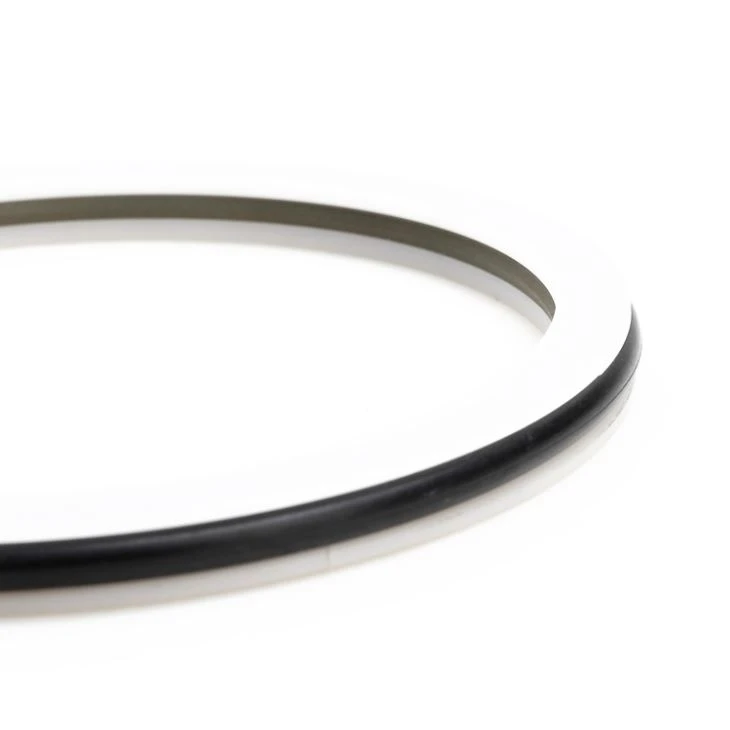
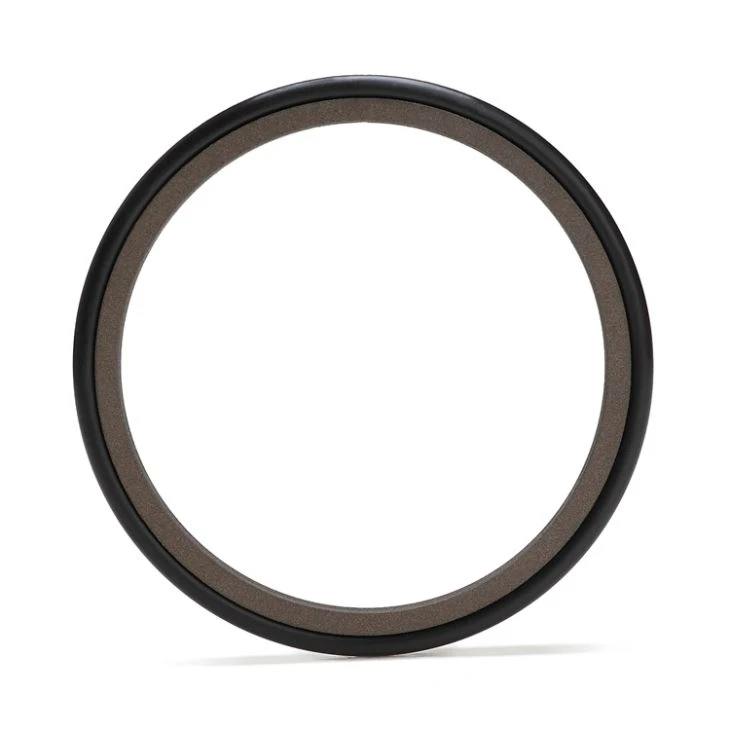
Hey there! As a supplier of Rotary Compact Seals, I've been in the game for quite a while, and I've seen firsthand how crucial the friction coefficient of these seals is. In this blog, I'm gonna break down the factors that can affect the friction coefficient of Rotary Compact Seals.
First off, let's talk about what Rotary Compact Seals are. They're a type of seal used in a variety of applications to prevent leakage of fluids and gases. You can check out more about them on our website Rotary Compact Seals. These seals play a vital role in many industries, from automotive to manufacturing.
Material of the Seal
One of the most significant factors affecting the friction coefficient is the material of the seal itself. Different materials have different surface properties and hardness, which can greatly influence how much friction is generated when the seal is in contact with the mating surface.
For example, rubber is a commonly used material for Rotary Compact Seals. It's flexible and can conform well to the surface it's sealing against. However, the type of rubber matters a lot. Natural rubber has different friction characteristics compared to synthetic rubbers like nitrile rubber (NBR) or fluorocarbon rubber (FKM).

NBR is known for its good resistance to oil and fuel, and it generally has a relatively low friction coefficient when in contact with metal surfaces. On the other hand, FKM has excellent chemical resistance but may have a slightly higher friction coefficient due to its more rigid molecular structure.
If you're looking for seals made from different materials, we also offer Shaft Oil Seals and Rod Rotary Shaft Seals, which come in a variety of materials to suit different needs.
Surface Finish of the Mating Parts
The surface finish of the parts that the Rotary Compact Seal comes into contact with is another important factor. A rough surface can increase the friction coefficient because there are more irregularities for the seal to interact with. When the surface is rough, the seal has to deform more to fill in the gaps, which leads to more frictional force.
On the contrary, a smooth surface reduces the friction. However, it's important to find the right balance. A surface that's too smooth might not allow the seal to grip properly, which could lead to leakage. So, manufacturers usually aim for a specific surface roughness range to optimize both friction and sealing performance.
Operating Temperature
Temperature can have a huge impact on the friction coefficient of Rotary Compact Seals. As the temperature increases, the material of the seal can change its properties. For rubber seals, high temperatures can cause the rubber to soften, which may increase the contact area between the seal and the mating surface, resulting in higher friction.

Conversely, at low temperatures, rubber can become more brittle and less flexible. This can lead to a decrease in the ability of the seal to conform to the surface, and in some cases, it might cause the seal to crack, which can also affect the friction coefficient.
Lubrication
Lubrication is key when it comes to reducing the friction coefficient. A proper lubricant can create a thin film between the seal and the mating surface, which separates the two surfaces and reduces direct contact. This not only lowers the friction but also helps to prevent wear and tear on the seal.
There are different types of lubricants available, and the choice depends on the application and the materials involved. For example, in some food processing applications, a food-grade lubricant is required. In industrial applications, mineral oil-based or synthetic lubricants are commonly used.
Contact Pressure
The amount of pressure applied between the Rotary Compact Seal and the mating surface also affects the friction coefficient. Higher contact pressure generally leads to higher friction because there's more force pressing the two surfaces together. However, a certain amount of contact pressure is necessary to ensure a good seal.
Manufacturers need to carefully design the sealing system to achieve the right balance between contact pressure and friction. This often involves adjusting the dimensions and shape of the seal, as well as the way it's installed.
Speed of Rotation
The speed at which the seal rotates can also influence the friction coefficient. At low speeds, the friction is mainly determined by the static friction between the seal and the mating surface. As the speed increases, dynamic friction comes into play, and the relationship between speed and friction can become more complex.
In some cases, increasing the speed can cause the lubricant film to break down, leading to an increase in friction. On the other hand, at very high speeds, the hydrodynamic forces generated can actually help to reduce the friction by creating a more stable lubricating film.
Contamination
Contamination in the operating environment can have a negative impact on the friction coefficient of Rotary Compact Seals. Particles such as dust, dirt, or metal shavings can get trapped between the seal and the mating surface. These particles can act like abrasives, increasing the friction and causing wear on the seal.
To prevent contamination, proper sealing and filtration systems should be in place. Regular maintenance and inspection can also help to identify and remove any contaminants before they cause significant damage.
So, there you have it - the main factors that affect the friction coefficient of Rotary Compact Seals. Understanding these factors is crucial for ensuring the optimal performance of the seals in your applications.
If you're in the market for high-quality Rotary Compact Seals or any other related products like Shaft Oil Seals and Rod Rotary Shaft Seals, feel free to reach out to us. We're always ready to help you find the right solutions for your needs. Whether you have questions about materials, application requirements, or anything else, our team of experts is here to assist you. Let's start a conversation and see how we can work together to improve your sealing systems.
References
- Brown, R. A. (2015). Sealing Technology Handbook. Elsevier.
- Smith, J. D. (2018). Tribology in Machine Design. CRC Press.
- Jones, M. L. (2020). Elastomer Materials for Sealing Applications. Wiley.